Water Flossers vs. String Floss: Which Should You Buy?
Updated November 6, 2026
Recomonk
By Ananya Rao
Dr. Ananya Rao is a skincare educator and cosmetic chemistry enthusiast with a background in pharmaceutical sciences and dermatological product development. She specializes in translating complex ingredient lists into clear, practical advice so readers can build routines based on evidence, not hype. Over the past several years, Ananya has worked closely with dermatologists and formulators to review everything from over‑the‑counter acne treatments to advanced serums for sensitive and acne‑prone skin. When she’s not testing new formulations, she shares science‑backed tips on how to choose the best acne treatments for different skin types and concerns, helping people feel more confident in their skin and in the products they invest in
Water flosser vs string floss is one of the most common questions people ask once they decide to get serious about cleaning between their teeth. Both tools reach the spaces a toothbrush misses, and both can support healthier gums. But they work differently, cost differently and suit different people.
String floss is the classic option. It physically scrapes plaque from the sides of each tooth and cleans tight contact points well, but it takes good technique and steady hands, and it's the step many people quietly skip.
Water flossers use a pulsing stream of water to flush out food and loosen plaque along the gumline. They're often easier and more comfortable, especially for people with braces, implants, bridges or limited dexterity, but they need charging, refilling and counter or bag space.
This guide explains what each method does well, where marketing claims outpace the evidence, and how to choose based on your teeth, your gums and your routine. We also pick the water flossers, woven flosses, flat floss and floss picks from our catalog that fit specific needs.
By the end, you'll know which option you're most likely to use every day, which is the thing that matters most. If you have gum disease, dental implants or orthodontic work, it's worth asking your dentist or hygienist which method they'd prefer for you.
Editor's Choice
usmile C10 Portable Water Flosser for Travel – 95-Day Battery - 4 Modes 360° Nozzle 180ml Tank IPX7 Waterproof Dentist-Recommended for Braces Implants & Sensitive Gums(Purple)
usmile C10 Portable Water Flosser is a compact and travel-friendly oral care device designed for effective cleaning between teeth and along the gumline. Featuring 4 cleaning modes, a 360° rotating nozzle, and a 180ml water tank, it offers customized and convenient flossing for daily use. Its dentist-recommended design is ideal for braces, implants, and sensitive gums, helping remove plaque and food particles with ease. With IPX7 waterproof protection and an impressive 95-day battery life, it delivers reliable performance at home or on the go.
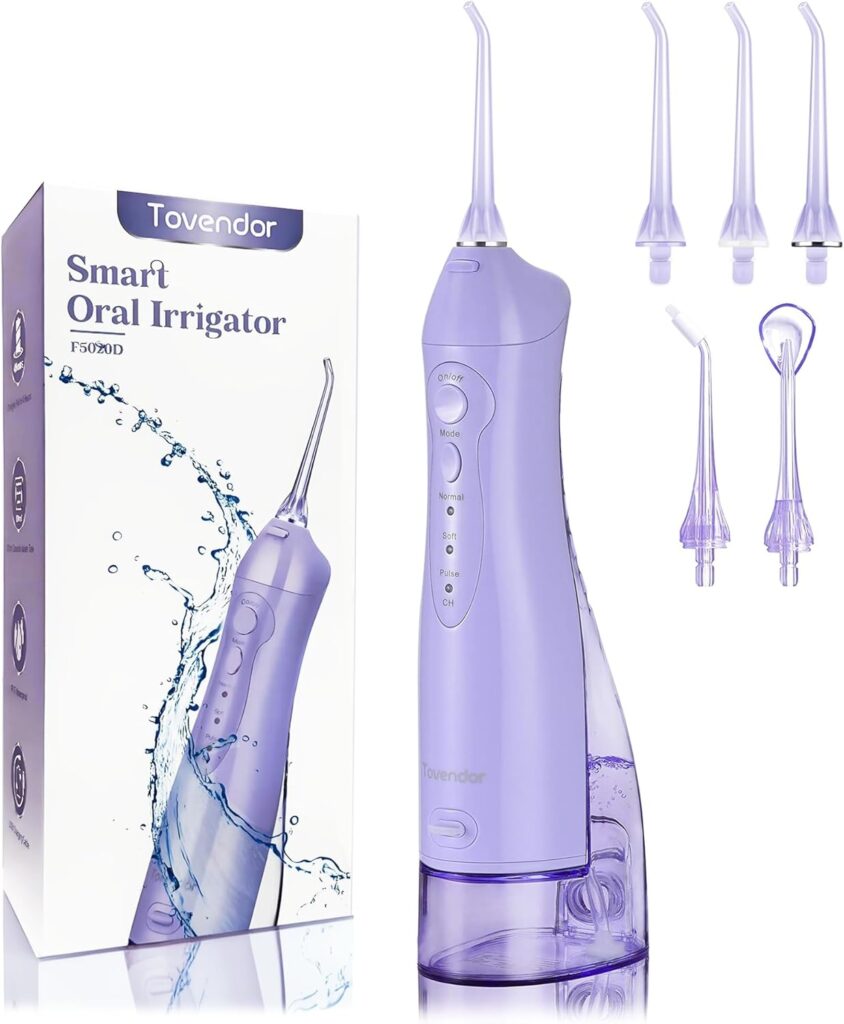
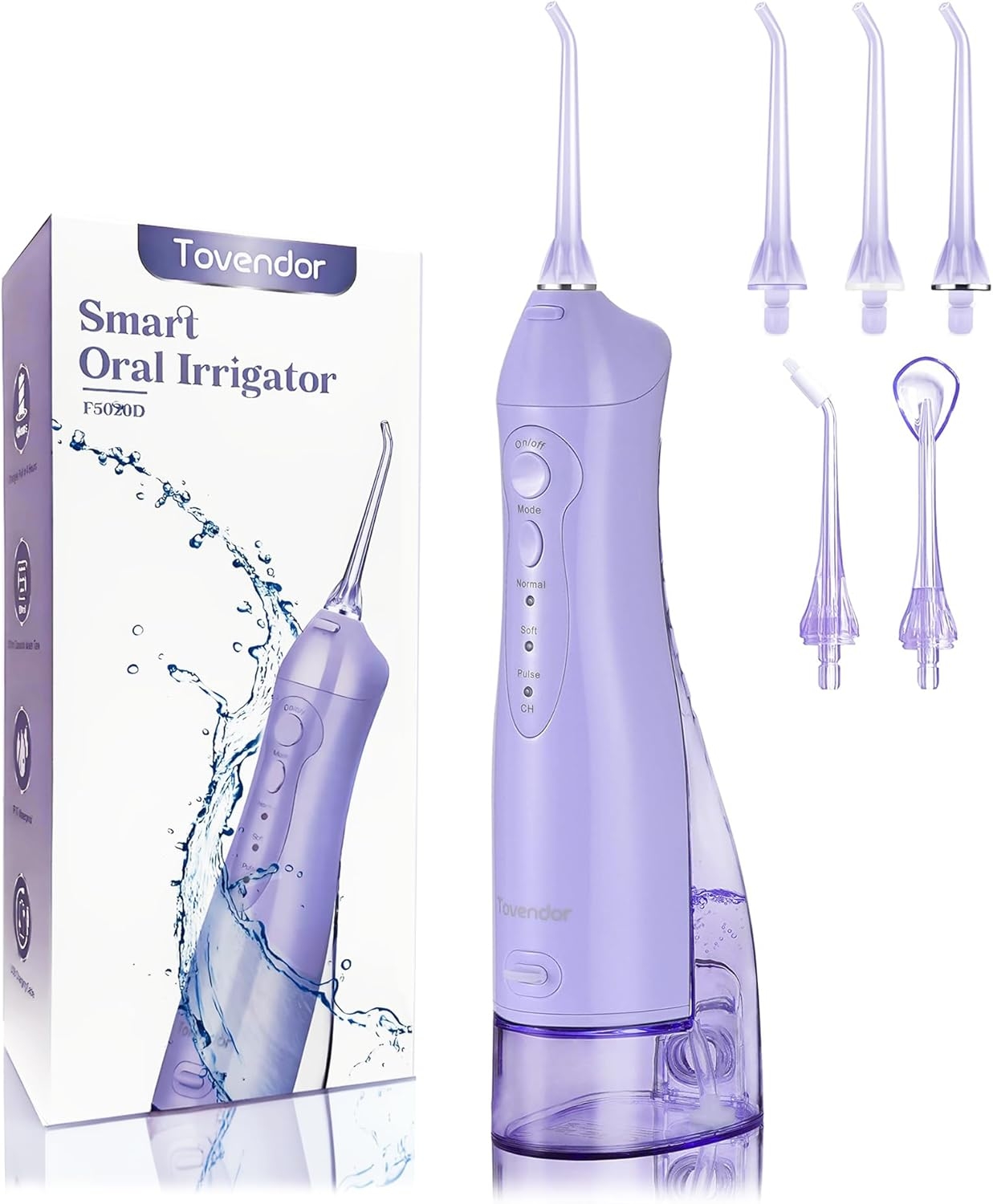
TOVENDOR Electric Water Flosser, Cordless Rechargeable Dental Oral Irrigator IPX7 Waterproof 300ML Travel Water Teeth Cleaner with 5 Tips for Braces Care Teeth Gums Cleaning, Home Office Daily Use
TOVENDOR Electric Water Flosser is a cordless rechargeable oral irrigator designed to provide deep and effective cleaning between teeth and along the gumline. Featuring a 300ml water tank and 5 interchangeable tips, it offers convenient and customized care for braces, teeth, and gum health. Its powerful water pressure helps remove plaque, food particles, and debris from hard-to-reach areas. With IPX7 waterproof protection and a portable design, it is ideal for daily use at home, in the office, or while traveling.
Cocofloss Expanding Woven Dental Floss by Cocolab, Waxed Tooth Floss for Daily Oral Care, Coconut Oil Infused, Vegan, for Adults and Kids, Mint Scent, 1 Pack
Cocofloss Expanding Woven Dental Floss is a premium waxed dental floss designed to provide a deeper and more effective clean between teeth. Its unique expanding woven texture helps remove plaque and debris more efficiently than traditional floss. Infused with coconut oil and a refreshing mint scent, it glides smoothly while keeping your mouth feeling fresh. Vegan and gentle enough for both adults and kids, it makes daily flossing more comfortable and enjoyable.
Davids Expanding Dental Floss + Refill is a premium waxed dental floss designed to deliver a thorough and comfortable clean between teeth. Its durable woven strands expand during use to effectively remove plaque and trapped food particles without breaking. Infused with hydroxyapatite, cocoa butter, and refreshing mint, it supports oral care while providing a smooth flossing experience. Vegan and kid-friendly, it comes with a refillable dispenser for a more sustainable daily oral care routine.
SlimWeave Extra-Thin Flat Dental Floss is specially designed for people with tight teeth, offering an extra-thin flat shape for easy access between narrow spaces. Its shred-resistant dental tape glides smoothly with a waxed coating, helping remove plaque and food particles without fraying. Infused with mint and xylitol, it leaves your mouth feeling fresh while supporting daily oral hygiene. Durable and comfortable to use, this 3-pack provides long-lasting flossing convenience.
PUL Mint Dental Floss Picks – Biodegradable Floss Sticks with Shred-Resistant Teeth Floss, Fluoride Free Dental Flossers for Adults & Kids, Minty Fresh Dental Floss Picks – 50 Count
PUL Mint Dental Floss Picks are eco-friendly floss sticks designed to make daily flossing easy and effective for both adults and kids. Made with biodegradable materials and shred-resistant floss, they help remove plaque and trapped food particles without breaking easily. Their fluoride-free design offers gentle oral care, while the refreshing mint flavor leaves your mouth feeling clean and fresh. Compact and convenient, they are perfect for quick oral care at home or on the go.
❤️
Sign in to add to the wishlist
Create an account or sign in to save your favourite products.
Water Flosser vs String Floss: How to Choose
Key Differences to Understand
How they clean: String floss scrapes plaque from the sides of each tooth by direct contact. A water flosser uses a pulsing stream of water to flush debris and loosen plaque along the gumline.
Ease of use: Water flossers are usually easier for people with braces, implants or limited dexterity. String floss takes more technique but needs no charging or refilling.
Tight contacts: String floss, especially thin or flat floss, reaches tight contact points well. Water flossers flush around those spots but don't scrape them.
Comfort: Adjustable pressure makes water flossers gentler for many people with tender gums. Woven floss can also feel softer than standard floss.
Space and upkeep: Floss fits in a pocket. Water flossers need charging, tank refills, tip replacements and space on the counter or in a bag.
Water Flosser and Floss Claims to Ignore
Replaces brushing: No water flosser or floss replaces brushing twice a day or professional cleanings. Cleaning between teeth is an extra step, not a substitute.
More modes means cleaner: Extra modes are nice for comfort, but one setting you use daily does more than five you never change.
Dentist-recommended labels: This phrase is common marketing language. Treat it as a brand claim unless the product names a specific endorsement.
Miracle or detox floss: Vague claims about detoxing or superior results mean little without details. Look at the floss shape and texture instead.
Bleeding means stop: Light bleeding is common when you start cleaning between teeth and often eases with consistent, gentle use.
How to Use a Water Flosser and String Floss Properly
Start gentle: Use the lowest water flosser setting at first and increase it gradually. With string floss, slide it in gently rather than snapping it down.
Aim at the gumline: Point the water flosser tip at the gumline and pause briefly between teeth. Lean over the sink with lips partly closed to limit splashing.
Use the C shape: Curve string floss around each tooth and move it up and down, using a fresh section for each gap.
Pick a consistent time: Floss before or after brushing, whichever you'll stick with every day. Consistency matters more than order. Pair it with a good toothbrush for a complete routine.
Maintain the tools: Empty and dry the water flosser tank, replace tips as recommended, and throw away floss picks once the floss frays.
Matching the Method to Your Needs
For braces, implants and bridges: A water flosser reaches around hardware more easily. Ask your orthodontist or dentist what they prefer for your setup.
For tight teeth: Extra-thin flat floss slides into narrow spaces where thicker strands shred or snap.
For limited dexterity: A water flosser or floss picks are easier to manage than winding string floss around your fingers.
For travelers: A compact, long-battery water flosser or a pack of floss picks keeps the habit going away from home.
For low-waste routines: Refillable floss dispensers and biodegradable picks cut down on plastic compared with standard disposable options.
Water Flosser vs String Floss: Our Picks Compared
Product
Best For
Key Feature
usmile C10 Portable Water Flosser for Travel – 95-Day Battery - 4 Modes 360° Nozzle 180ml Tank IPX7 Waterproof Dentist-Recommended for Braces Implants & Sensitive Gums(Purple)
Travel and braces cleaning
95-day battery, 4 modes, 180ml tank
TOVENDOR Electric Water Flosser, Cordless Rechargeable Dental Oral Irrigator IPX7 Waterproof 300ML Travel Water Teeth Cleaner with 5 Tips for Braces Care Teeth Gums Cleaning, Home Office Daily Use
Home and office water flossing
300ml tank with 5 tips
Cocofloss Expanding Woven Dental Floss by Cocolab, Waxed Tooth Floss for Daily Oral Care, Coconut Oil Infused, Vegan, for Adults and Kids, Mint Scent, 1 Pack
The usmile C10 Portable Water Flosser is for people who want a water flosser they can take anywhere. If you travel often, or you want to clean between your teeth at the office or the gym, its compact design is the main draw.
The brand lists four cleaning modes, a 360° rotating nozzle and a 180ml water tank. It also has IPX7 waterproof protection and, according to the brand, up to 95 days of battery life, which means far fewer chargers in your bag.
The brand says it's designed for braces, implants and sensitive gums. Adjustable modes are useful if your gums are tender at first, since you can start gently and increase pressure as you get used to it.
Lean over the sink, start on the lowest setting and trace the gumline tooth by tooth. Refill as needed, empty the tank afterward and let it dry to keep it clean between uses.
Skip it if you want long, uninterrupted sessions at home. The smaller tank favors portability over capacity, so a larger-tank model may suit a home-only routine better.
Top pick
usmile C10 Portable Water Flosser for Travel – 95-Day Battery - 4 Modes 360° Nozzle 180ml Tank IPX7 Waterproof Dentist-Recommended for Braces Implants & Sensitive Gums(Purple)
usmile C10 Portable Water Flosser is a compact and travel-friendly oral care device designed for effective cleaning between teeth and along the gumline. Featuring 4 cleaning modes, a 360° rotating nozzle, and a 180ml water tank, it offers customized and convenient flossing for daily use. Its dentist-recommended design is ideal for braces, implants, and sensitive gums, helping remove plaque and food particles with ease. With IPX7 waterproof protection and an impressive 95-day battery life, it delivers reliable performance at home or on the go.
The TOVENDOR Electric Water Flosser is for people who want a cordless water flosser with more capacity for daily use at home or in the office.
The brand lists a 300ml water tank, five interchangeable tips and cordless rechargeable operation. It's IPX7 waterproof, and the brand describes it as portable enough for travel as well as home use.
Five tips are practical for a household where more than one person wants to use the same base, or for anyone who wants a spare. The brand pitches it at braces care, teeth and gum cleaning, and removing debris from hard-to-reach areas.
Use it after brushing or before, whichever you'll stick with. Start with gentle pressure, aim the stream at the gumline and work around each tooth. Replace tips as the manufacturer recommends.
Skip it if space is tight on your counter or in your bag. If you mainly need a water flosser for trips, a more compact model with a smaller tank may be easier to live with.
Top pick
TOVENDOR Electric Water Flosser, Cordless Rechargeable Dental Oral Irrigator IPX7 Waterproof 300ML Travel Water Teeth Cleaner with 5 Tips for Braces Care Teeth Gums Cleaning, Home Office Daily Use
TOVENDOR Electric Water Flosser is a cordless rechargeable oral irrigator designed to provide deep and effective cleaning between teeth and along the gumline. Featuring a 300ml water tank and 5 interchangeable tips, it offers convenient and customized care for braces, teeth, and gum health. Its powerful water pressure helps remove plaque, food particles, and debris from hard-to-reach areas. With IPX7 waterproof protection and a portable design, it is ideal for daily use at home, in the office, or while traveling.
Cocofloss Expanding Woven Dental Floss is for people who want to stick with string floss but make it more pleasant. It's a good first step for anyone who finds standard floss thin, squeaky or unpleasant.
The brand says its woven texture expands during use to remove plaque and debris more effectively than traditional floss. It's waxed, infused with coconut oil and has a mint scent.
Woven floss tends to feel softer against the gums than a thin, slick strand, which can make daily flossing feel less like a chore. The brand describes it as vegan and gentle enough for adults and kids.
Use a fresh section for each gap, curve it into a C shape against the side of each tooth and slide it gently just below the gumline. Avoid snapping it down onto the gums.
Skip it if your teeth are very tightly spaced. A thicker woven strand can be harder to slide through tight contacts, where a flat, extra-thin floss is usually easier.
Top pick
Cocofloss Expanding Woven Dental Floss by Cocolab, Waxed Tooth Floss for Daily Oral Care, Coconut Oil Infused, Vegan, for Adults and Kids, Mint Scent, 1 Pack
Cocofloss Expanding Woven Dental Floss is a premium waxed dental floss designed to provide a deeper and more effective clean between teeth. Its unique expanding woven texture helps remove plaque and debris more efficiently than traditional floss. Infused with coconut oil and a refreshing mint scent, it glides smoothly while keeping your mouth feeling fresh. Vegan and gentle enough for both adults and kids, it makes daily flossing more comfortable and enjoyable.
Davids Expanding Dental Floss is for string-floss users who want a woven floss and a refillable dispenser to cut down on plastic waste.
The brand says its no-break woven strands expand during use to remove plaque and trapped food without breaking. It's waxed and infused with hydroxyapatite, cocoa butter and mint.
It comes as a dispenser plus a refill, with 66 yards of floss listed in the product title. The brand describes it as vegan and kid friendly, so it can work for a whole household.
Wrap the ends around your fingers, guide it between teeth with a gentle back-and-forth motion, then curve it around each tooth. Refill the dispenser instead of buying a new one when you run out.
Skip it if you have very tight contacts or prefer floss picks. Like other woven flosses, it's best for average spacing and people who are comfortable winding floss by hand.
Davids Expanding Dental Floss + Refill is a premium waxed dental floss designed to deliver a thorough and comfortable clean between teeth. Its durable woven strands expand during use to effectively remove plaque and trapped food particles without breaking. Infused with hydroxyapatite, cocoa butter, and refreshing mint, it supports oral care while providing a smooth flossing experience. Vegan and kid-friendly, it comes with a refillable dispenser for a more sustainable daily oral care routine.
SlimWeave Extra-Thin Flat Dental Floss is for people whose teeth are so close together that regular floss shreds, snags or snaps.
The brand describes it as an extra-thin, flat dental tape with a waxed coating that glides smoothly between narrow spaces without fraying. It's infused with mint and xylitol for a fresh finish.
The three-pack provides 164 yards in total, so it lasts a while and is easy to split between bathrooms or a travel bag.
Slide it in gently at an angle rather than forcing it straight down, then curve it against each tooth. If it still catches on a particular spot, mention it to your dentist, since a rough filling edge can be the cause.
Skip it if you have wide gaps, braces or implants. A thin tape doesn't fill larger spaces well, and a water flosser or woven floss may be a better match there.
SlimWeave Extra-Thin Flat Dental Floss is specially designed for people with tight teeth, offering an extra-thin flat shape for easy access between narrow spaces. Its shred-resistant dental tape glides smoothly with a waxed coating, helping remove plaque and food particles without fraying. Infused with mint and xylitol, it leaves your mouth feeling fresh while supporting daily oral hygiene. Durable and comfortable to use, this 3-pack provides long-lasting flossing convenience.
PUL Mint Dental Floss Picks are for people who know they won't wind string floss around their fingers every night but will grab a pick.
The brand describes them as biodegradable floss sticks with shred-resistant floss, a fluoride-free design and a mint flavor. The pack contains 50 picks and is marketed for adults and kids.
Picks are easy to keep in a desk drawer, car or travel bag, which makes them handy after meals when food gets stuck and there's no sink nearby.
Guide the floss between teeth gently, then tilt the pick so the floss curves against the side of each tooth. Rinse the pick as you go, and use a new one when the floss starts to fray.
Skip them if you want maximum control or have braces. Picks can't wrap around a tooth as well as hand-held floss, and they don't reach around orthodontic hardware easily.
Top pick
PUL Mint Dental Floss Picks – Biodegradable Floss Sticks with Shred-Resistant Teeth Floss, Fluoride Free Dental Flossers for Adults & Kids, Minty Fresh Dental Floss Picks – 50 Count
PUL Mint Dental Floss Picks are eco-friendly floss sticks designed to make daily flossing easy and effective for both adults and kids. Made with biodegradable materials and shred-resistant floss, they help remove plaque and trapped food particles without breaking easily. Their fluoride-free design offers gentle oral care, while the refreshing mint flavor leaves your mouth feeling clean and fresh. Compact and convenient, they are perfect for quick oral care at home or on the go.
Not across the board. Research comparing the two is mixed, and both can help gum health when used daily. String floss scrapes plaque from tight contact points, while a water flosser flushes debris and is often easier and more comfortable. The better choice is the one you'll use consistently, so consider your teeth, any dental work and your habits.
Can a water flosser replace string floss completely?
For many people, a daily water flosser is a reasonable way to clean between teeth, especially with braces, implants or limited dexterity. Some dentists still suggest string floss for tight contacts or specific problem spots. If you're unsure, ask your dentist or hygienist which method suits your gums and teeth, and whether combining both makes sense.
Are water flossers good for braces and implants?
Yes, they're a popular choice for braces, implants and bridges because the water stream reaches around brackets, wires and restorations that floss has trouble threading through. Start on a low pressure setting and work up gradually. Your orthodontist or dentist can confirm the best approach for your specific appliances or implants.
Why do my gums bleed when I floss?
Light bleeding is common when you start cleaning between teeth regularly, with either string floss or a water flosser, and it often eases within a week or two of gentle, consistent use. Bleeding that is heavy, painful or doesn't improve after a couple of weeks is worth raising with your dentist, along with swollen gums or persistent bad breath.
Should I floss before or after brushing?
Either order works. Some people floss first to loosen debris so brushing can clear it away, while others prefer to floss last. What matters most is cleaning between your teeth every day. Choose the order that's easiest to stick with, whether you use string floss, floss picks or a water flosser.
What kind of floss is best for tight teeth?
Extra-thin flat floss, often called dental tape, is usually the easiest option for tight contacts because it slides into narrow spaces with less shredding. Waxed floss also glides more smoothly. If floss consistently catches or tears in the same spot, mention it to your dentist, since a rough filling edge or tartar buildup may be the cause.
Meet your guide
By Ananya Rao
Dr. Ananya Rao is a skincare educator and cosmetic chemistry enthusiast with a background in pharmaceutical sciences and dermatological product development. She specializes in translating complex ingredient lists into clear, practical advice so readers can build routines based on evidence, not hype. Over the past several years, Ananya has worked closely with dermatologists and formulators to review everything from over‑the‑counter acne treatments to advanced serums for sensitive and acne‑prone skin. When she’s not testing new formulations, she shares science‑backed tips on how to choose the best acne treatments for different skin types and concerns, helping people feel more confident in their skin and in the products they invest in.
More from this author →
Recomonk uses cookies and limited personal data to improve your browsing experience and support the creation of content on our site. Cookies help us enhance site navigation, analyze usage, and track affiliate partnerships. By clicking Accept, you agree to our use of cookies and data as described in our Privacy Policyand Cookie Policy.
Cookie Preferences
HELLO USER, JOIN OUR
NEWSLETTER RECOMONK
Be the first to learn about our latest trends and get exclusive offers.
Confirm Deletion×
Are you sure you wish to delete your account and all associated data.











 Login with Google