Comfortable High Heels in 2026: Pick Pairs That Won't Hurt
Updated November 6, 2026
Recomonk
By Ananya Rao
Dr. Ananya Rao is a skincare educator and cosmetic chemistry enthusiast with a background in pharmaceutical sciences and dermatological product development. She specializes in translating complex ingredient lists into clear, practical advice so readers can build routines based on evidence, not hype. Over the past several years, Ananya has worked closely with dermatologists and formulators to review everything from over‑the‑counter acne treatments to advanced serums for sensitive and acne‑prone skin. When she’s not testing new formulations, she shares science‑backed tips on how to choose the best acne treatments for different skin types and concerns, helping people feel more confident in their skin and in the products they invest in
Comfortable high heels exist, but finding them takes more than choosing a pretty shape. Most heel pain comes from a few predictable culprits: a steep heel, a narrow toe box, thin straps and a poor fit. This guide explains each one in plain terms so you can spot trouble before you buy. We also round up six heels from our catalog, from a 2.5 inch kitten sandal to a block heel with an ankle strap. Every pick is a kitten, block or chunky style, since a lower or wider heel is usually easier to wear than a stiletto. We did not test these shoes hands-on, so we stick to what each listing says. Use the notes on who each pair suits to narrow your shortlist quickly.
Start with heel height, because it changes how much weight lands on the ball of your foot. A lower kitten heel keeps your foot closer to level, while a taller heel asks more of your forefoot. Next, look at toe shape. A square or rounded toe leaves room for your toes to spread, while a sharp point squeezes them together. Then think about how the shoe holds on. Ankle straps and slingbacks secure the foot, while mules and loose pumps can slip. Finally, check the sole and insole details in the listing, and add a cushioned insert if the shoe feels hard.
Fit matters as much as style. Try heels on in the afternoon, when feet tend to be at their fullest. Walk on a hard floor and take a few stairs before you decide. Break new pairs in at home for short stretches. Keep a foldable flat in your bag for long events. If you have ongoing pain, numbness or a known foot condition, a podiatrist is the best person to ask. With the right shape and a realistic plan for wear time, a good-looking heel doesn't have to hurt.
Editor's Choice
Women's Kitten Low Heel Sandals, Strappy Square Open Toe 2.5 inch
DREAM PAIRS Kitten Heels for Women Closed Toe Pumps
Kitten Heels with Bow Closed Toe Slingback Heels
Closed Toe Kitten Heel Mules for Women
QIY Closed Toe Heels for Women Pumps Chunky Heel Strappy Sandals
Women's Block High Heels Square Toe Heeled Sandals Ankle Strap Shoes
❤️
Sign in to add to the wishlist
Create an account or sign in to save your favourite products.
How to Choose Comfortable High Heels in 2026
Key Features to Look For
Moderate heel height: A lower heel, such as a kitten heel, keeps more weight off the ball of the foot. Start low and work up only if it feels good.
Roomy toe shape: Square or rounded toes let your toes spread instead of squeezing them together. This matters most if you have wide feet or sensitive spots.
Wide, stable heel: Block and chunky heels give you a broader base than slim heels. That can feel steadier on uneven pavement.
Secure hold: Ankle straps and slingbacks keep the foot from sliding forward. Your toes then grip less to keep the shoe on.
Cushioning and grip: Look for a padded footbed and a grippy sole, or plan to add an insert. Many listings don't mention either, so check before you buy.
What to Avoid When Choosing
Sharply pointed, narrow toes: These can pinch the toes and rub on sore spots. Choose a roomier toe if you stand for long periods.
Very steep heels: A steep pitch pushes weight toward the forefoot. Save these for short events if you wear them at all.
Thin straps over pressure points: A strap across a bony area can dig in after an hour. Check where each strap sits before committing.
Missing measurements: If a listing doesn't give heel height, you can't judge the pitch. Ask the seller or choose another pair.
Unclear return policies: Fit is the biggest variable in any heel. A flexible return policy protects you if the shoe doesn't work.
How to Wear and Break In Heels Properly
Try them on in the afternoon: Feet tend to be at their fullest later in the day. Shoes that fit then are less likely to pinch at the end of an event.
Break them in at home: Wear new pairs around the house for short stretches. Increase the time gradually before taking them out.
Protect rubbing spots: Blister cushions or moleskin can help at the back of the heel and the toes. Apply them before the rubbing starts.
Limit wear time: Taller heels deserve shorter outings. Plan the day so you are not walking long distances in them.
Carry a flat backup: A foldable flat in your bag gives your feet a break. It also makes the walk home easier.
Matching Heels to Your Day
For first-time wearers: A low kitten heel, such as a 2.5 inch sandal, is the gentlest starting point. Build up wear time slowly.
For the office: Closed-toe kitten pumps and slingbacks look polished and keep the lift modest. Check the heel fit before a full workday.
For weddings and events: A bow slingback or block heel dresses up an outfit. Choose the lower style if you will be on your feet.
For quick convenience: Slip-on mules are the easiest to wear on short outings. Make sure the size holds your heel in place.
For extra stability: A chunky or block heel with a strap offers a broader base. Confirm the heel height before ordering.
Comfortable High Heels Comparison 2026
Product
Best For
Key Feature
Women's Kitten Low Heel Sandals, Strappy Square Open Toe 2.5 inch
First-time heel wearers
2.5 inch heel with square open toe
DREAM PAIRS Kitten Heels for Women Closed Toe Pumps
Office and everyday wear
Closed toe with a short kitten heel
Kitten Heels with Bow Closed Toe Slingback Heels
Weddings and dressy events
Slingback strap with bow detail
Closed Toe Kitten Heel Mules for Women
Quick, easy slip-on wear
Backless closed-toe mule shape
QIY Closed Toe Heels for Women Pumps Chunky Heel Strappy Sandals
Stability on long days
Chunky heel with straps
Women's Block High Heels Square Toe Heeled Sandals Ankle Strap Shoes
Taller lift with a wide base
Block heel with ankle strap
Get today's recommendation
Expert advice. Very good deals. The absolute best (and worst) things we've tested lately. Sent to your inbox daily.
These kitten heel sandals suit anyone easing back into heels. The listing gives a 2.5 inch heel height, which is lower than most dress heels. A square open toe leaves room for your toes instead of squeezing them into a point. The strappy design lets you adjust how the shoe sits on the foot. Open styling makes them a natural fit for summer dresses, weddings and casual dinners. The listing doesn't mention cushioned insoles, so comfort depends mostly on shape and fit. Buyers who want the lowest-risk choice for a dressy event can treat these as the easiest entry on this list.
Before you buy, check where the straps cross your foot, because that spot is where rubbing usually starts. Try them on in the afternoon if you can, when your feet are at their fullest. Walk on a hard surface to see whether your toes stay inside the footbed. If you have a high instep, look closely at how much the straps adjust. Wear them around the house for an hour before the first big event. Skip this pair if you need a closed toe for the office or want more height. For everyone else, it is a gentle, easy-to-style starting point.
Top pick
Women's Kitten Low Heel Sandals, Strappy Square Open Toe 2.5 inch
These pumps are built around a kitten heel and a closed toe. The short heel adds a subtle lift without a steep angle. A closed toe covers the foot, which makes them easy to wear in offices and in cooler weather. Pumps are a classic shape that pairs with trousers, skirts and dresses. The listing doesn't describe padding or arch support, so we can't promise extra cushioning. If you have sensitive soles, consider adding a thin insole. This is the pair to consider if you want a polished, no-fuss look.
Pumps hold your foot only at the heel and toes, so fit is crucial. A pair that is slightly large can slip at the heel, while one that is slightly small pinches the toes. Compare your regular size with a half size if the seller offers it. Walk down a flight of stairs to test whether your heel stays put. Check the return policy before opening the box. Skip these if you need an adjustable strap to secure a narrow heel. Otherwise they are a dependable pick for days that start at the office and end at dinner.
Top pick
DREAM PAIRS Kitten Heels for Women Closed Toe Pumps
This pair puts a bow on a classic slingback silhouette. The kitten heel keeps the lift modest. The closed toe suits dressy daytime events and many workplaces. A slingback strap wraps the back of the foot, so the shoe stays on more securely than a mule. The bow adds a feminine detail to dresses, skirts and tailored trousers. The listing doesn't mention padding, so don't expect extra cushioning. That makes it best for occasions rather than long walking days.
The back strap is the detail to test. Walk around and see whether it rubs near the back of your ankle. If the strap is adjustable, set it snug but not tight. Most slingbacks are worn barefoot, so consider blister cushions for new pairs. Wear them for short stretches before a big day. Skip them if you dislike decorative details or want a plain, minimal shoe. For polished occasions, they offer an easy-to-style, low-heel option.
These mules are for people who want a heel that slips on in seconds. The kitten heel is short, and the closed toe covers the front of the foot. With no back strap, they are quick to put on when you're running late. The backless design also means your foot has to hold the shoe in place. That makes fit especially important, because a pair that is too large will slide off. Mules suit a short commute, a dinner out or a few hours at a desk. They are less ideal for long walks or crowded events.
Check how your toes sit against the front of the shoe, since a closed toe can feel tight if the footbed is short. Walk briskly to see whether your heel lifts out with each step. A grippy sole or a small heel grip may help if the shoe slides, though the listing doesn't specify either. Stick to your usual size unless the seller notes sizing differences. Keep a pair of flats nearby if you plan to be on your feet all day. Skip this pair if you have narrow heels or need a secured fit. For easy dressing, it's a convenient choice.
These shoes pair a chunky heel with straps for extra hold. A thicker heel gives you a wider base than a slim one, which most people find steadier. The straps help keep your foot in place, so your toes don't have to grip. The listing mixes pump, closed-toe and sandal wording, so read the product images carefully for the exact design. The listing doesn't state the heel height, so confirm it with the seller. This pair suits anyone who values stability over a delicate look. It's a good choice for events with long periods of standing.
Check that the straps sit where your foot is flattest, not across a bony spot. A chunky heel can feel heavier than a kitten heel, so walk around before committing. Look for a sole that grips smooth floors. Wear them at home for short stretches to see how they feel. If your foot swells during the day, size with that in mind. Skip them if you want a slim, minimalist silhouette. For wedding guests or workdays, they combine style with a sturdier stance.
Top pick
QIY Closed Toe Heels for Women Pumps Chunky Heel Strappy Sandals
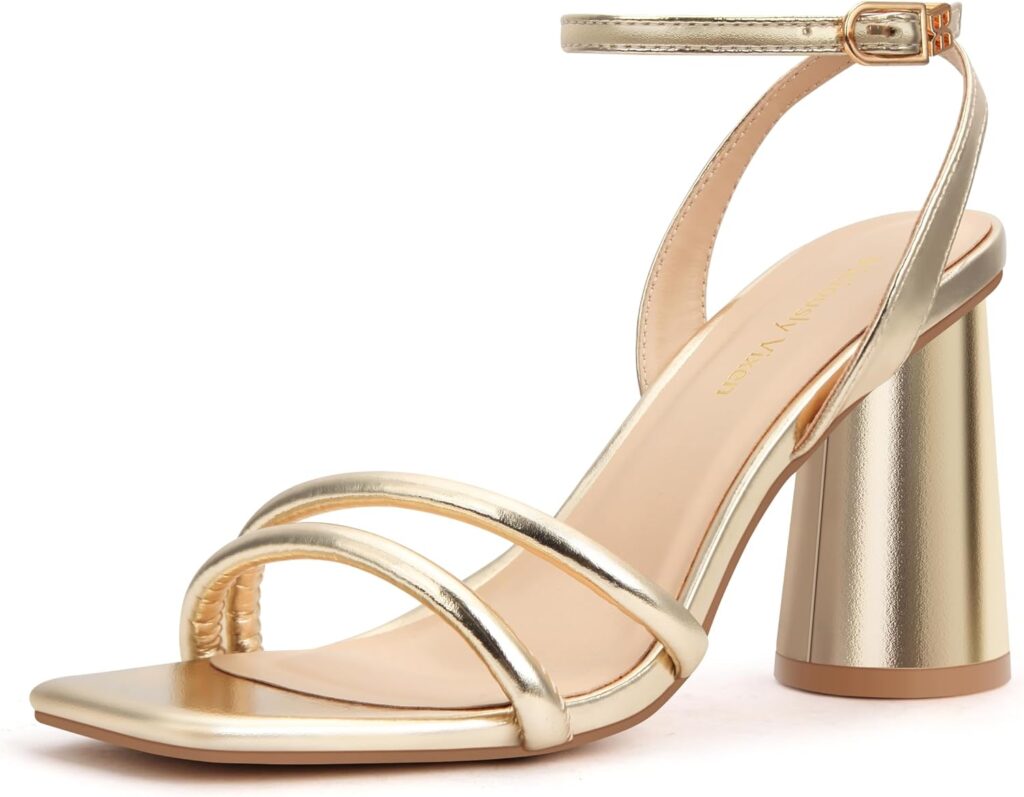
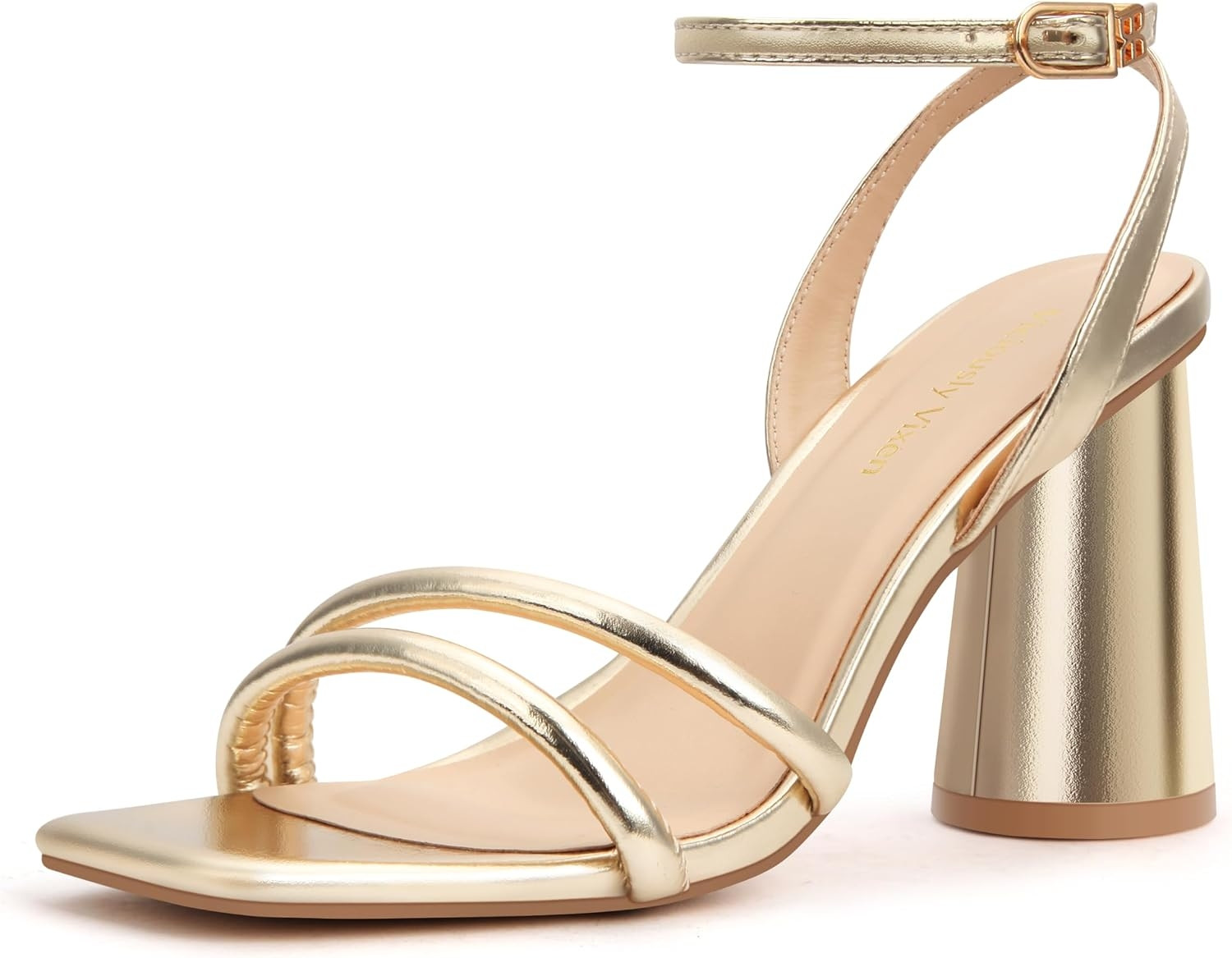
These are the tallest heels in our selection, aimed at people comfortable above a kitten heel. A block heel distributes support over a wider area than a thin stiletto. The square toe gives toes more room than a pointed one. The ankle strap keeps the shoe secure so your foot doesn't slide forward. The listing calls them high heels but doesn't give a number, so check the measurements. Taller heels push more weight toward the ball of the foot. That makes wear time an important consideration.
Plan to wear them to events with a lot of sitting, such as dinners or ceremonies. Carry flats if you will be walking long distances. Adjust the ankle strap so it holds without digging. Test them on stairs and uneven pavement before the big day. Add a cushioned insert if the fit allows. Skip them if you are new to heels or have been told to avoid high heels by a doctor. For confident wearers, they offer a lift with more stability than a stiletto.
Top pick
Women's Block High Heels Square Toe Heeled Sandals Ankle Strap Shoes
There is no single number, because comfort depends on your foot, the shoe's shape and how long you wear it. Many people find lower heels, such as kitten heels around 1 to 2.5 inches, easier to walk in than tall stilettos. A lower heel keeps more of your weight off the ball of the foot. Start low and move up only if it feels good.
Are block heels more comfortable than stilettos?
Many wearers find them steadier, because a block heel spreads support across a wider area than a thin heel. That can make standing and walking on uneven surfaces feel more secure. Comfort still depends on toe shape, strap placement and fit, so a block heel isn't automatically pain-free. Check the listing's heel height and try the shoes on at home before committing.
Why do my heels hurt the ball of my foot?
Heels shift weight forward onto the ball of the foot, and the higher the heel, the more pressure it takes. A thin sole or hard footbed gives little cushioning, and a narrow toe box can add pinching on top. Try a lower heel, a roomier toe and a cushioned insert. If the pain is sharp or persistent, see a podiatrist or doctor.
How should heels fit?
You should be able to wiggle your toes, with no pinching at the sides and no sliding at the heel. Try shoes on in the afternoon, when feet are at their largest, and walk on a hard floor. A snug but not tight strap usually holds better than a loose one. If one shoe feels tight, compare it with the other foot, since feet often differ slightly.
How do I break in new heels?
Wear them around the house for short stretches before taking them out. Add blister cushions or moleskin to spots that rub, and increase wear time gradually. If a shoe hurts within the first few minutes because of its shape, break-in is unlikely to fix it, so consider returning it. Always check the return policy before you start wearing a new pair.
Are kitten heels good for all-day wear?
They can be a good choice for long days, because the heel is lower and keeps your foot closer to level. They still need a proper fit, a supportive footbed and a sensible toe shape to feel good. Listings often don't mention cushioning, so consider adding an insert, and carry flats if you will be walking far.
Meet your guide
By Ananya Rao
Dr. Ananya Rao is a skincare educator and cosmetic chemistry enthusiast with a background in pharmaceutical sciences and dermatological product development. She specializes in translating complex ingredient lists into clear, practical advice so readers can build routines based on evidence, not hype. Over the past several years, Ananya has worked closely with dermatologists and formulators to review everything from over‑the‑counter acne treatments to advanced serums for sensitive and acne‑prone skin. When she’s not testing new formulations, she shares science‑backed tips on how to choose the best acne treatments for different skin types and concerns, helping people feel more confident in their skin and in the products they invest in.
More from this author →
Recomonk uses cookies and limited personal data to improve your browsing experience and support the creation of content on our site. Cookies help us enhance site navigation, analyze usage, and track affiliate partnerships. By clicking Accept, you agree to our use of cookies and data as described in our Privacy Policyand Cookie Policy.
Cookie Preferences
HELLO USER, JOIN OUR
NEWSLETTER RECOMONK
Be the first to learn about our latest trends and get exclusive offers.
Confirm Deletion×
Are you sure you wish to delete your account and all associated data.








 Login with Google