Blog

What dentists tend to emphasize, when asked directly rather than through marketing copy, is rarely the newest gadget or the most expensive option on the shelf. It is almost always some version of the same advice: brush for the full two minutes, use a toothbrush gentle enough not to damage gum tissue, floss daily even when it feels unnecessary, and choose a mouthwash that supports rather than irritates the soft tissue inside the mouth. The challenge for most people isn't a lack of motivation, it's translating that simple advice into an actual shopping list, since the oral care aisle has become dense with overlapping claims, competing technologies, and products that all promise some version of "the best clean of your life."
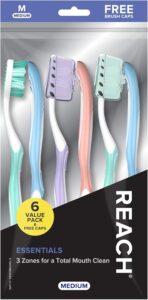
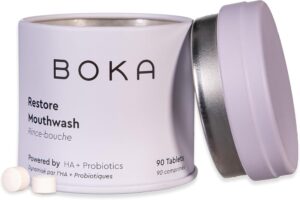
This is where the technology genuinely has improved things, even if the marketing language hasn't gotten any more restrained. Electric toothbrushes with real-time pressure sensors solve a problem that used to require a dentist physically watching someone brush to diagnose: the habit of pressing too hard without realizing it. Manual toothbrush design has quietly evolved as well, with multi-angle bristles and ergonomic handles addressing some of the same pressure and coverage issues that used to be exclusive to electric models. Toothpaste formulas have become more specific, moving away from generic "whitening" claims toward targeted enamel repair backed by actual clinical research, which matters enormously for the large percentage of adults who experience some degree of tooth sensitivity at some point in their lives. Even mouthwash, long dominated by harsh alcohol-based formulas that prioritized killing bacteria over protecting tissue, has shifted toward gentler alternatives that work with the mouth's natural biology rather than against it.
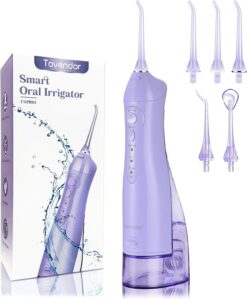
The category of specialty tools deserves particular attention because it's often the most overlooked. Water flossers and tongue scrapers rarely get the same spotlight as toothbrushes or toothpaste, yet dental professionals consistently point to gaps in interdental cleaning and tongue hygiene as quiet contributors to bad breath and gum inflammation that brushing alone never fully resolves. A water flosser doesn't replace traditional floss, but for people with braces, dental work, or simply weaker manual dexterity, it closes a gap that would otherwise go unaddressed entirely. A tongue scraper takes thirty seconds and addresses a surprisingly large share of chronic bad breath cases that no amount of mouthwash can fully mask, since the source of the odor is bacterial buildup on the tongue's surface rather than anything happening on the teeth themselves.
Whitening occupies its own complicated space in oral care, sitting somewhere between cosmetic preference and genuine dental concern. The instinct to reach for the strongest possible whitening formula is understandable, but it's often counterproductive for anyone who already deals with sensitivity, since the same peroxide-driven oxidation that lifts stains also tends to be the mechanism behind temporary nerve sensitivity. The emergence of peroxide-free alternatives, built around ingredients like coconut oil and Dead Sea salt rather than oxidizing agents, has genuinely expanded who can comfortably whiten their teeth without paying for it in discomfort the next morning. This isn't a complete substitute for stronger treatments when dramatic results are the goal, but for ongoing maintenance and gentle brightening, it represents a real shift in what's achievable without sensitivity as the tradeoff.
Children's dental care follows a different logic entirely, one built around establishing habits early rather than optimizing for any particular clinical outcome. The toothbrush a five-year-old uses matters less for its cleaning technology and more for whether it actually gets used consistently, which is why bristle softness, handle size, and a design that doesn't frighten or overwhelm a small child end up mattering more than any feature list. The same applies to flavor and sensory experience with kids' toothpaste, since a child who dislikes the taste of their toothpaste will find every excuse to rush through brushing or skip it altogether, undermining even the most carefully formulated cavity-prevention ingredients.
What ties all of these categories together, electric and manual toothbrushes, enamel-focused toothpaste, gentle and targeted mouthwash, water flossers, tongue scrapers, and whitening tools, is the recognition that oral health isn't a single problem with a single product solution. It's a system of small, complementary habits, each addressing a slightly different part of the mouth's overall ecosystem. The toothbrush handles surface plaque, floss and water flossers handle the spaces between teeth that brushing alone can't reach, mouthwash addresses bacteria across soft tissue that brushing and flossing both miss, and a tongue scraper closes the final gap that's responsible for a surprising share of lingering bad breath. No single product in this list is a complete solution on its own, but together, used consistently, they represent the kind of dentist-aligned routine that actually prevents problems rather than reacting to them after the fact.
What follows is a curated collection of 25 dentist-recommended essentials spanning every one of these categories, organized so that building a complete routine doesn't require guessing which products actually complement each other.






![Philips Sonicare 7100 Electric Toothbrush, Sonic Toothbrush with App, 4 Brushing Modes and 3 Intensity Levels, Pressure Alert, EasyStart, SmarTimer, Navy Blue, Model HX7421/08 [New Technology]](https://recomonk.com/wp-content/uploads/2026/06/6a3238a575ca9e02d165c4f47258e8b595d60bfba673fad2ce074-300x298.jpg.webp)



-
➜
Top Dental Care Essentials for a Healthier Smile: Expert Picks
➜
Best Dental Care Products in 2026: Toothbrushes, Toothpaste & More
➜
Best Dental Care Products 2026: Top Toothbrushes, Toothpaste, and Mouthwash for a Healthier Smile
➜
Best Toothbrushes for 2026: Electric, Manual & Specialty Picks for Every Smile
Meet your guide

By Arjun Mehta
Arjun Mehta is a fashion and lifestyle writer specialising in women's accessories, seasonal trend forecasting, and personal style. With over eight years of experience in the fashion content space, Arjun has built a reputation for translating complex runway narratives into clear, shoppable guidance that real women can act on. His editorial focus spans handbags, jewellery, footwear, scarves, and wardrobe investment pieces — categories he covers with a researcher's rigour and a stylist's eye. Arjun closely follows the collections of major fashion houses including Prada, Bottega Veneta, Loewe, The Row, Toteme, and Miu Miu, and tracks the broader cultural conversations that shape what women actually want to wear each season. Before joining Recomonk, Arjun contributed to digital lifestyle and fashion publications where he developed a strong understanding of how trends move from the runway to the high street, and which pieces are worth investing in versus which are purely seasonal. His writing philosophy is simple: fashion should feel personal, not prescriptive. The best accessory is the one that makes you feel like yourself — only more so. When he's not tracking the season's next it-bag, Arjun enjoys exploring independent boutiques, analysing fashion week street style photography, and hunting for underrated vintage accessories. More from this author →


 Login with Google