If you have acne-prone skin, you may have avoided sunscreen thinking it could clog pores, increase oiliness, or trigger breakouts, but modern SPF formulas are designed specifically to prevent these problems. Skipping sunscreen can actually make acne worse because UV exposure increases inflammation, darkens post-acne marks, and weakens the skin barrier over time. This becomes even more important if you use active acne treatments like retinoids, benzoyl peroxide, AHAs, BHAs, or azelaic acid, since these ingredients make the skin more sensitive to sunlight. Without proper sun protection, your skin may become irritated, and hyperpigmentation can take much longer to fade. Daily sunscreen helps protect healing skin, reduces redness, prevents dark spots from becoming deeper, and supports overall skin recovery. When choosing sunscreen for acne-prone skin, understanding the difference between mineral and chemical formulas is important. Mineral sunscreens contain zinc oxide or titanium dioxide and sit on the skin’s surface to reflect UV rays, making them ideal for sensitive or inflamed skin. Chemical sunscreens absorb UV rays and convert them into heat, offering a lightweight and invisible finish that many oily skin types prefer. Hybrid formulas combine both technologies and are becoming increasingly popular because they provide strong protection with a comfortable texture. For acne-prone skin, it is best to choose sunscreens labeled non-comedogenic, oil-free, fragrance-free, and broad-spectrum with at least SPF 30 protection. Lightweight gel or water-based textures are usually more suitable than thick creams because they feel breathable and reduce excess shine. Ingredients like niacinamide, ceramides, allantoin, and panthenol can also soothe irritated skin while maintaining hydration. At the same time, it is better to avoid harsh ingredients such as oxybenzone, heavy alcohols, thick silicone polymers, and irritating fragrances that may worsen sensitivity or congestion. In 2025, sunscreen formulas have evolved significantly, making it completely possible to protect acne-prone skin without causing breakouts or discomfort.
Insights
The Acne-Prone Person's Guide to Sunscreen: Why SPF Is Your Skin's Best Friend
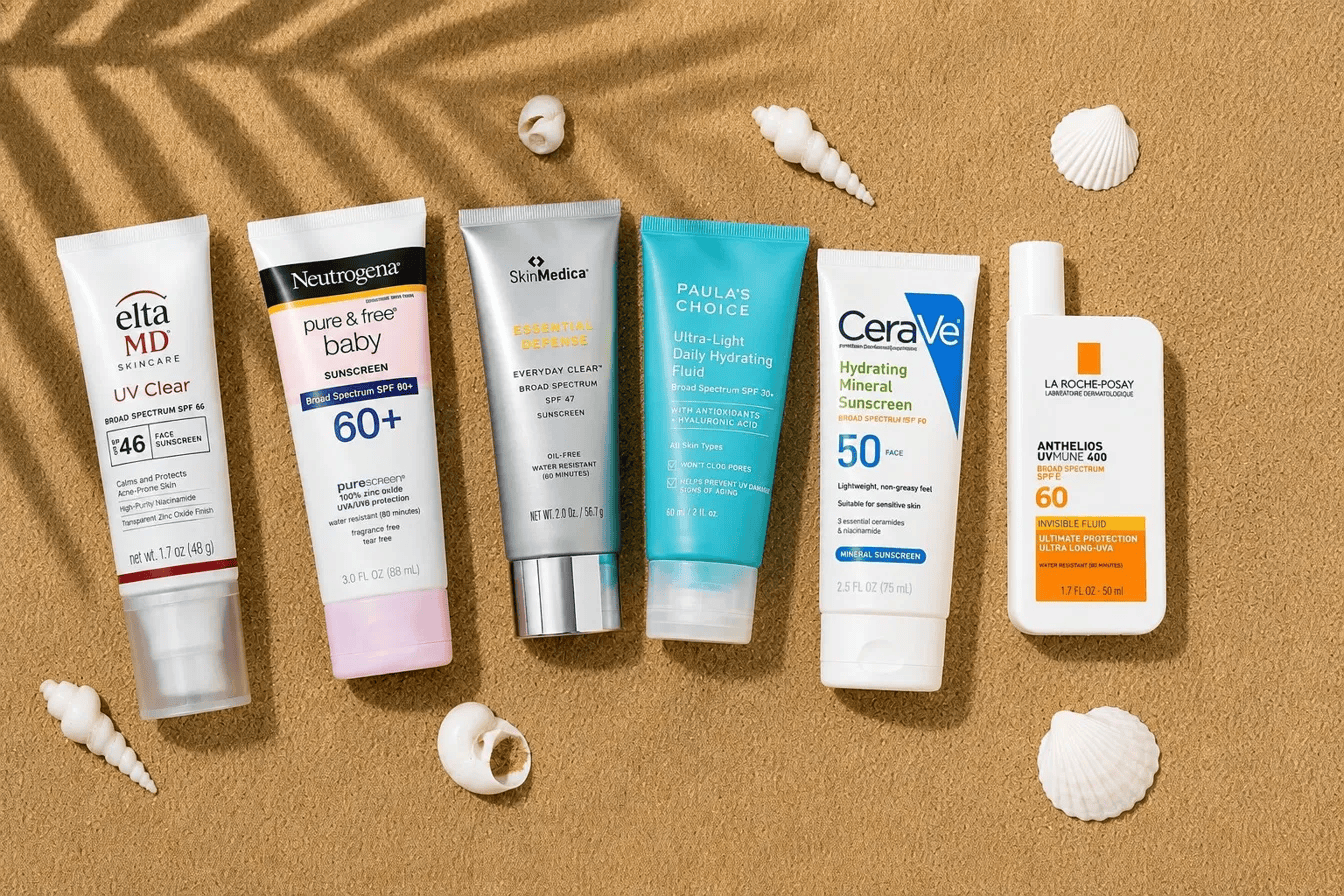

Editor's Choice
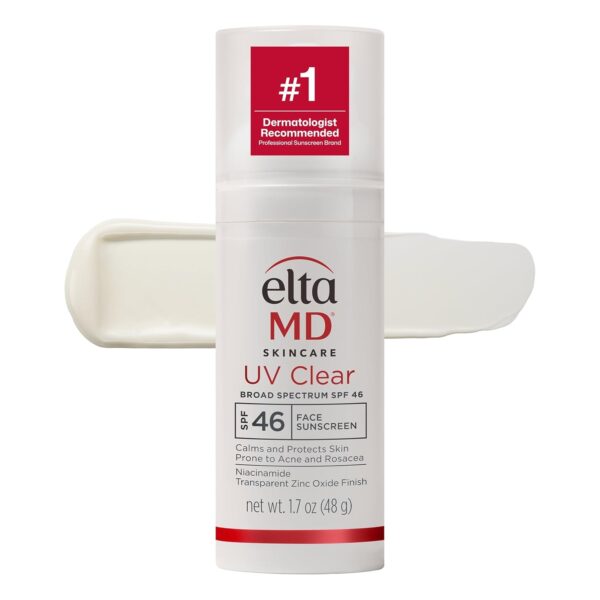
EltaMD UV Clear SPF 46 — The Gold Standard Your Dermatologist Swears By
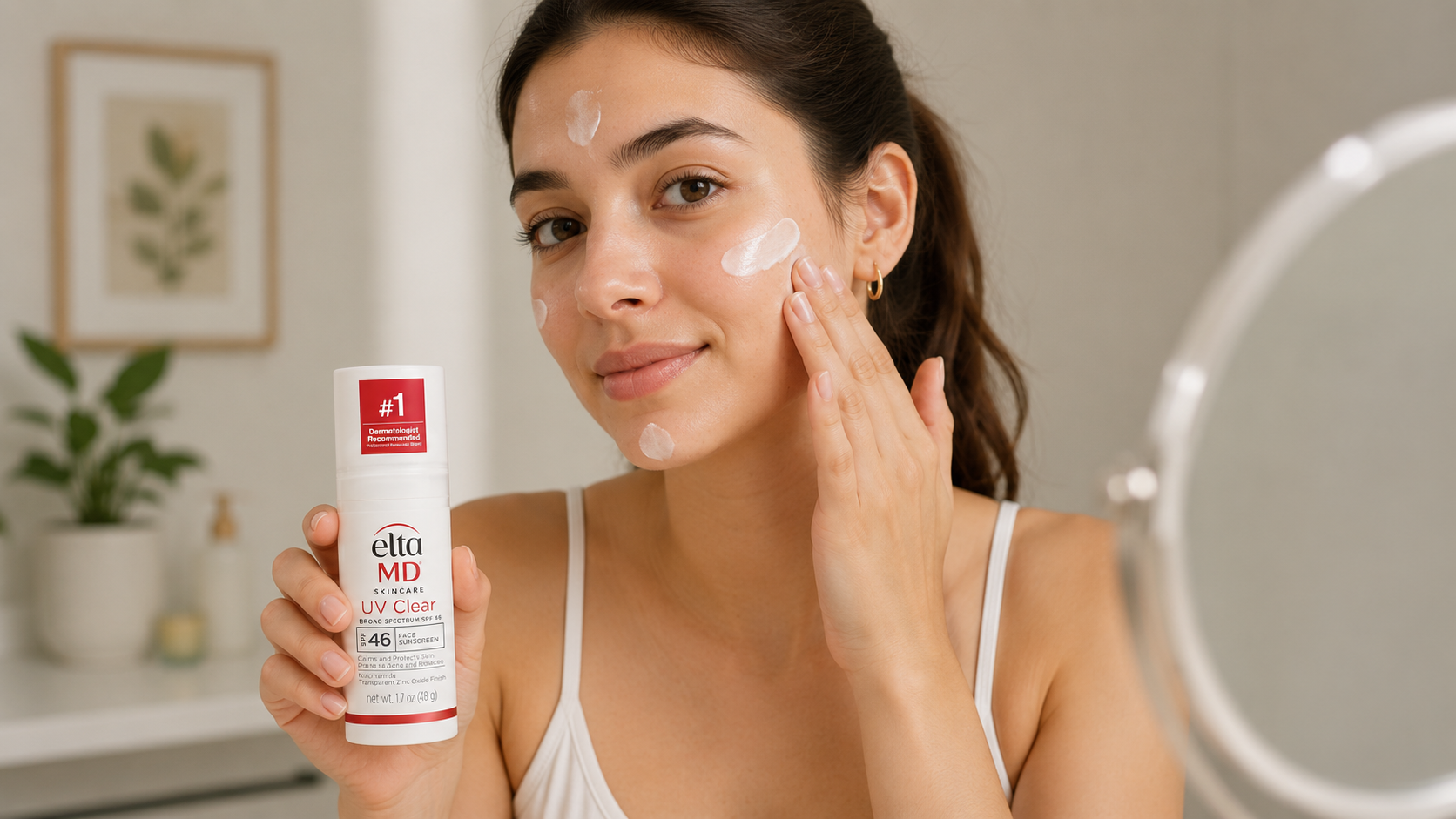
EltaMD UV Clear isn't just popular — it's the sunscreen dermatologists reach for when patients ask what actually works on acne-prone skin. Delivering broad-spectrum SPF 46 protection through a transparent zinc oxide base, this formula earns its legendary reputation by doing three things at once: it protects, it treats, and it disappears on the skin. The zinc oxide acts as both a UV shield and an anti-inflammatory agent, while niacinamide — clinically proven to improve skin tone and reduce discoloration — quietly fades those lingering post-acne marks with every wear. Hyaluronic acid rounds it out by keeping the skin dewy and comfortable without adding a drop of oil. The result is a silky, weightless finish with absolutely no white cast, no pilling, and no greasiness — just a seamless base that wears beautifully alone or under makeup all day long. Non-comedogenic, fragrance-free, paraben-free, and available in both tinted and untinted versions, it works across every skin tone and suits anyone living with acne, rosacea, hyperpigmentation, or the sensitivity that comes from using retinoids or benzoyl peroxide.
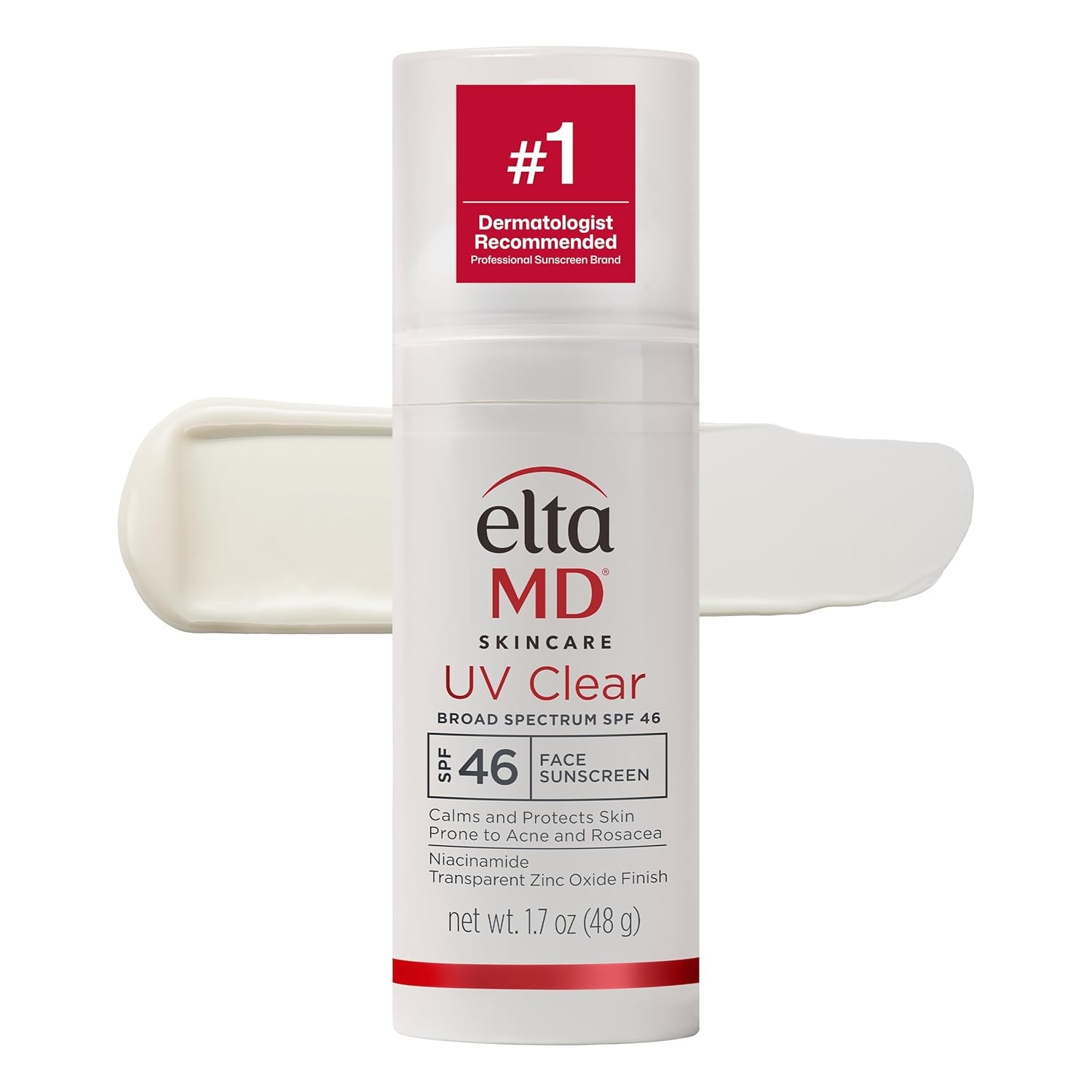
EltaMD UV Clear Face Sunscreen SPF, Oil-Free Sunscreen with Zinc Oxide, Dermatologist Recommended
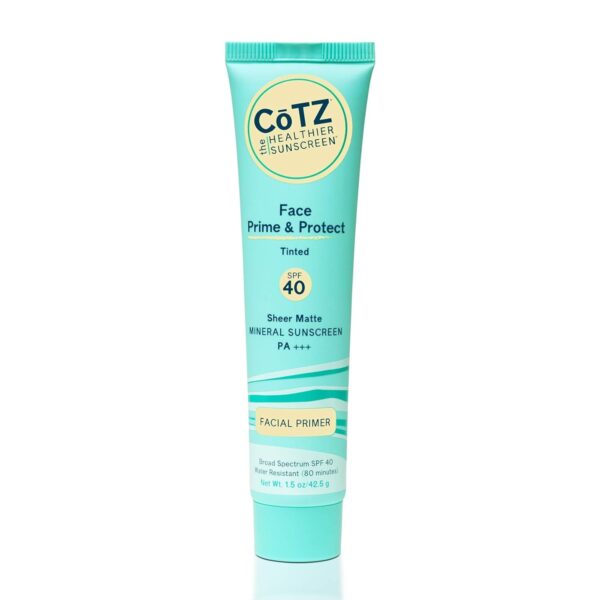
COTZ Face Prime & Protect SPF 40 — The Ultra-Pure Mineral Formula for Skin That Reacts to Everything
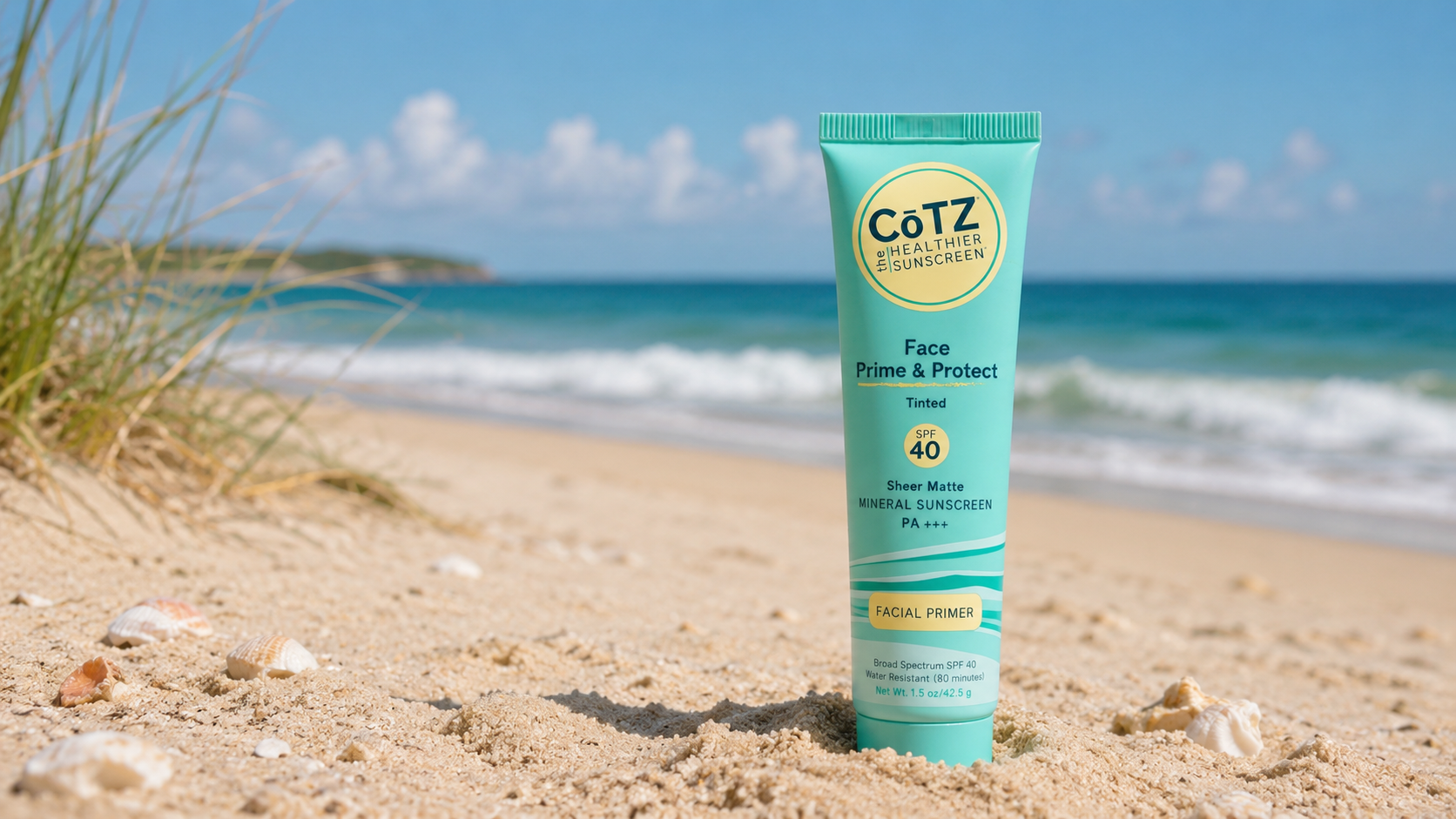
COTZ doesn't just stand for a brand — it stands for Contains Only Titanium and Zinc, and that transparency is exactly what makes it the last resort that becomes a forever favourite for people with truly reactive skin. Where other sunscreens layer chemical UV filters, synthetic fragrances, and sensitising actives, COTZ keeps things radically pure: just zinc oxide and titanium dioxide, working together to form a physical barrier that deflects UVA and UVB rays like thousands of tiny mirrors on the skin's surface — blocking radiation before it even touches the dermis, rather than converting it to heat the way chemical filters do. The Face Prime & Protect SPF 40 takes that mineral purity and adds a functional bonus: it doubles as a facial primer, creating a smooth, even base that makes makeup application effortless. Reef-friendly, water-resistant for up to 80 minutes, completely free of oxybenzone, octinoxate, dyes, and fragrances, and formulated in a sheer finish that blends into virtually all skin tones — this is the sunscreen for people who've tried everything else and finally need a formula their skin can trust.
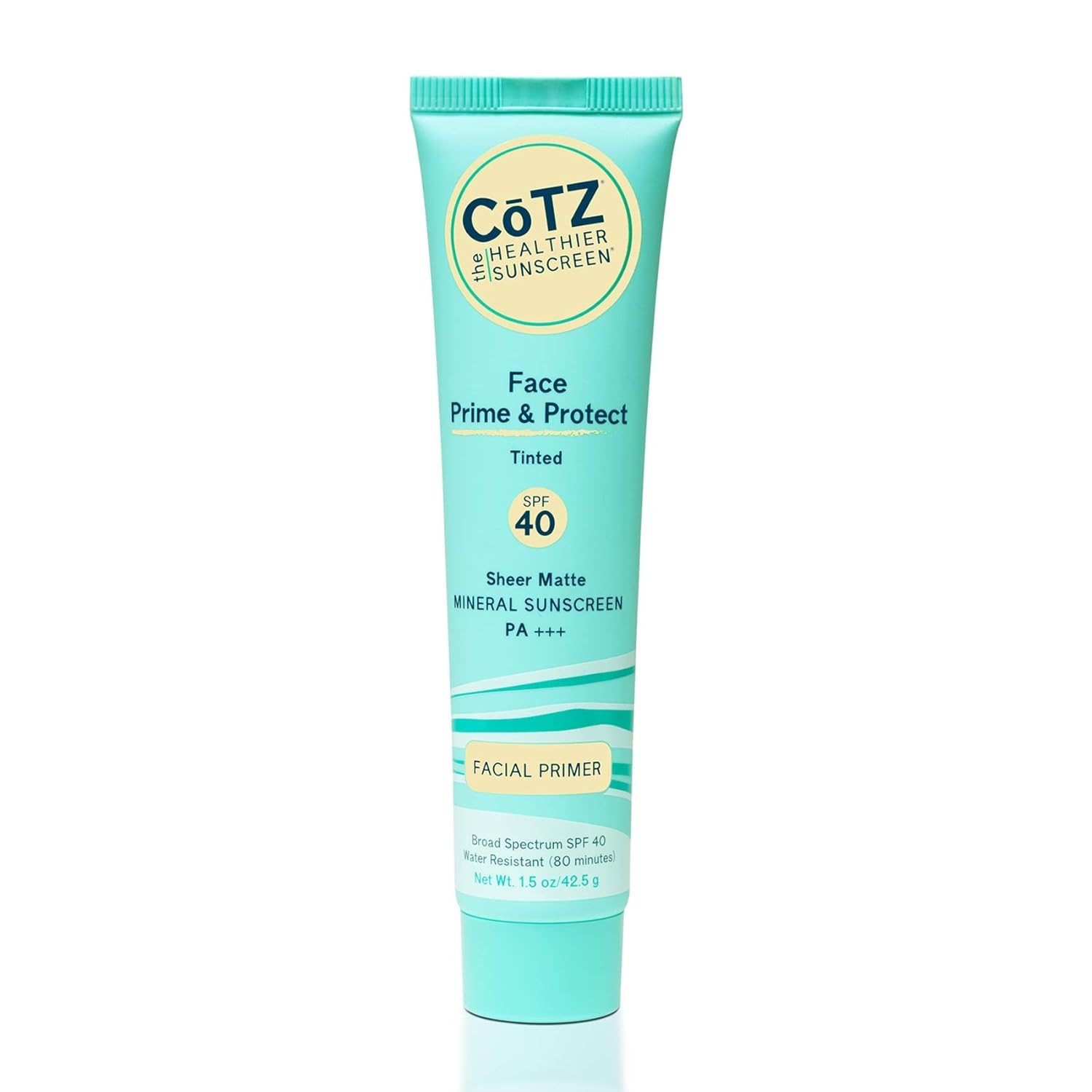
Cotz Face SPF 40
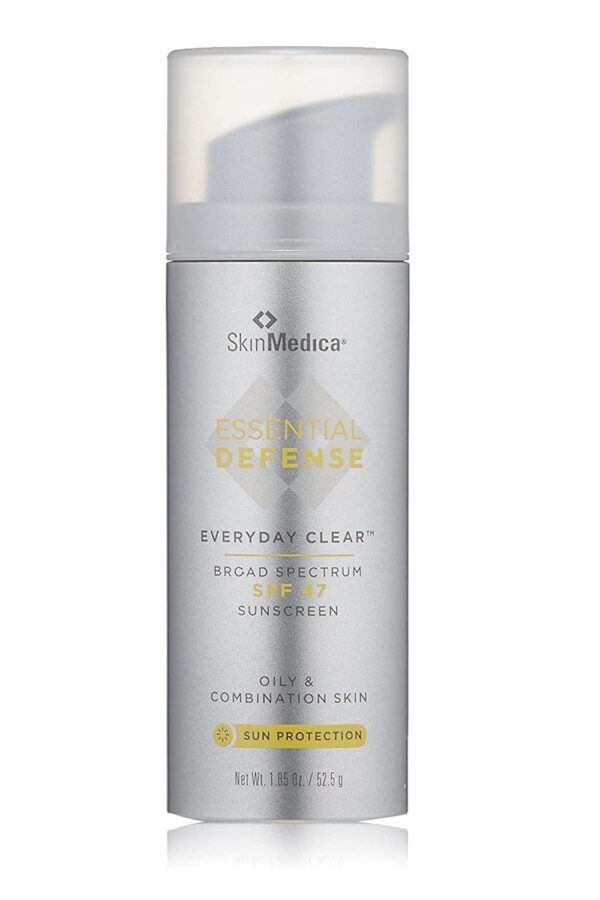
SkinMedica Essential Defense Everyday Clear SPF 47 — The Physician-Grade Shield for Serious Skin Goals
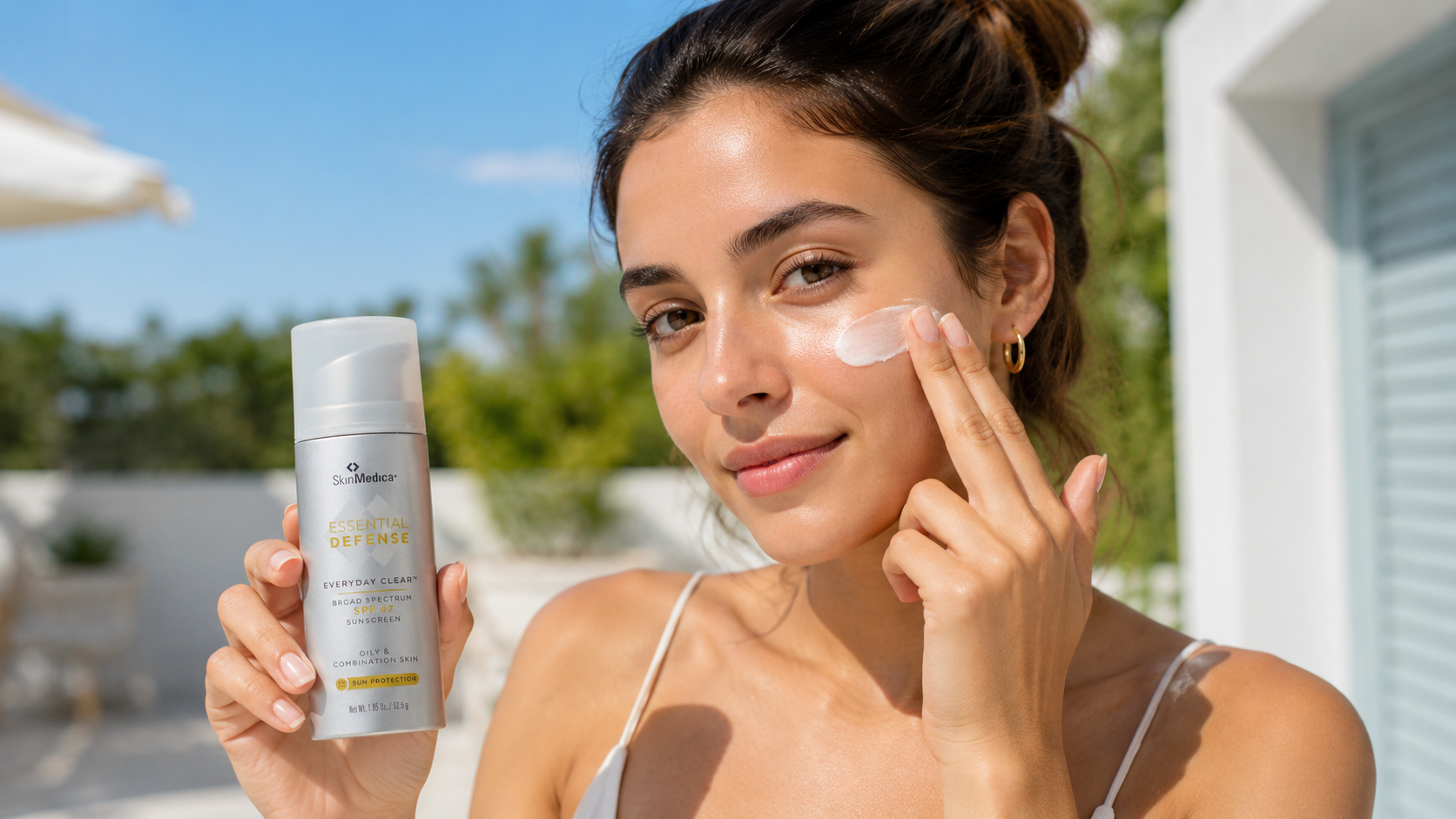
SkinMedica is the kind of brand you find in a dermatologist's dispensary — clinical, precise, and built for results. The Essential Defense Everyday Clear SPF 47 carries that same standard of excellence into daily sun protection, offering a 100% zinc-oxide-based formula that achieves the highest possible PA++++ UVA rating, meaning it doesn't just block the rays that burn — it guards against the deep, long-wave UVA radiation responsible for collagen breakdown, uneven skin tone, and the darkening of post-acne scars. Every element of the formula is purpose-built for demanding skin: non-comedogenic, hypoallergenic, oil-free, and completely fragrance-free, with a fast-absorbing texture that leaves a clean matte finish and disappears seamlessly under makeup without a trace of residue. It's particularly trusted by those recovering from professional skin treatments — chemical peels, laser resurfacing, microneedling — where freshly treated, sensitised skin needs a sunscreen it can fully rely on. For everyday acne-prone users, it brings physician-grade performance to a morning routine that simply won't accept compromise.
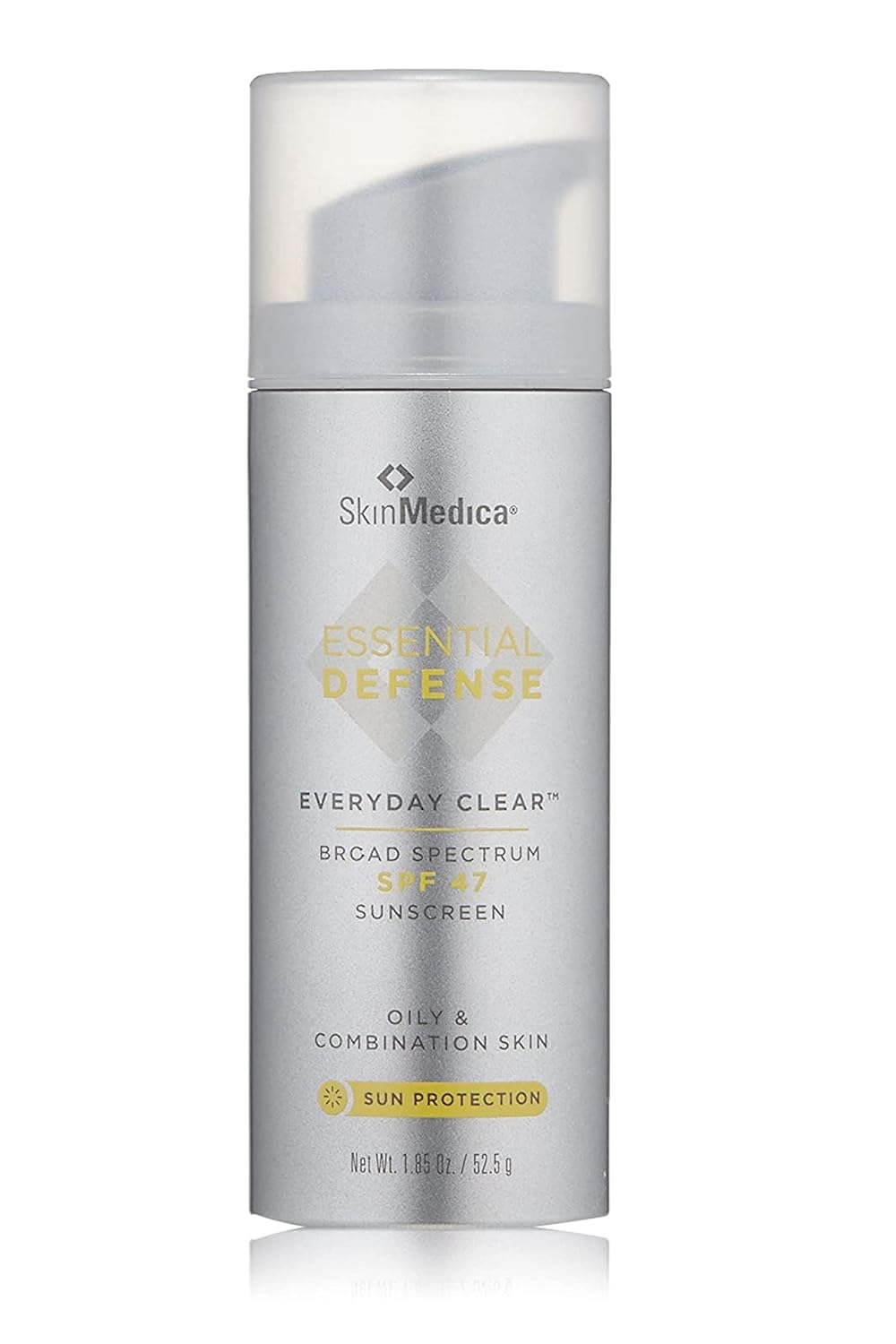
SkinMedica Essential Defense Everyday Clear SPF 47 Sunscreen for Face - This Lightweight, Facial Sunscreen is Ideal for Oily and/or Combination Skin, 1.85 Oz
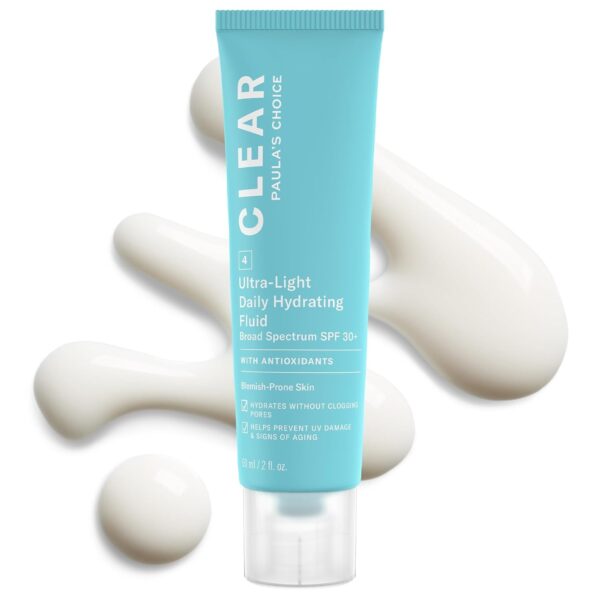
Paula's Choice CLEAR Ultra-Light Hydrating Fluid SPF 30 — The Pore-Minimising Powerhouse for Oily Skin
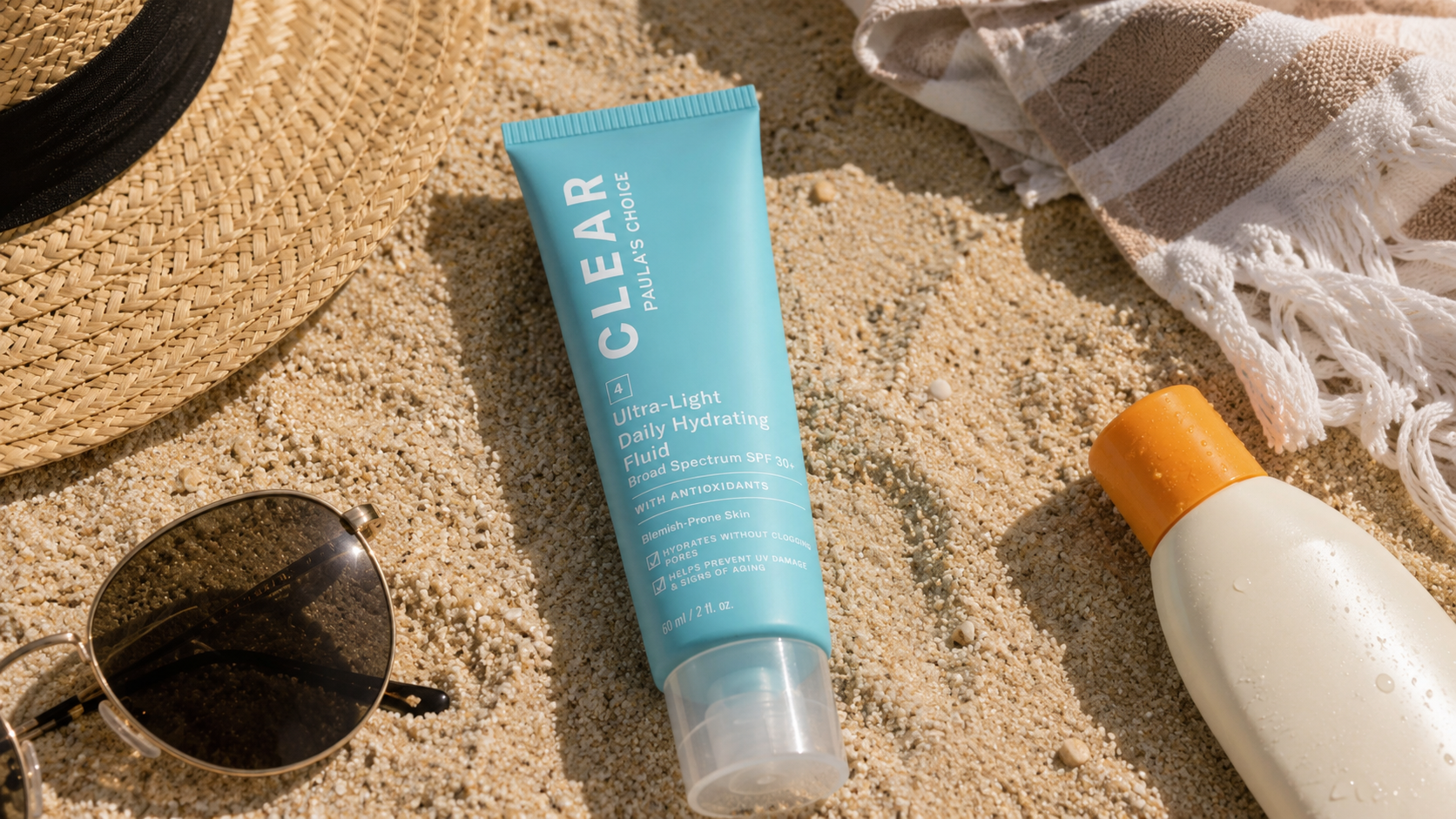
Paula's Choice built the CLEAR line with one mission in mind: give acne-prone skin exactly what it needs and nothing it doesn't. The Ultra-Light Hydrating Fluid SPF 30 is that philosophy distilled into a morning staple that merges your moisturiser and sunscreen into a single, fuss-free step. Using a synthetic, oil-free base, this fluid visibly controls excess shine through the day, softens the appearance of enlarged pores, and delivers the matte, non-reflective finish that oily and combination skin types are constantly chasing — all while shielding skin from UVA and UVB damage. Far from bare-bones protection, the formula is also enriched with plant-derived antioxidants including green tea and chamomile, which soothe irritated skin and neutralise free radicals that can worsen acne-related inflammation. Lightweight hydrators prevent the dryness that often comes with oil-controlling products, keeping skin balanced rather than stripped. Completely fragrance-free and designed specifically for blemish-prone skin, it's the clean, no-nonsense morning routine upgrade that lets your acne treatments do their job without interference.
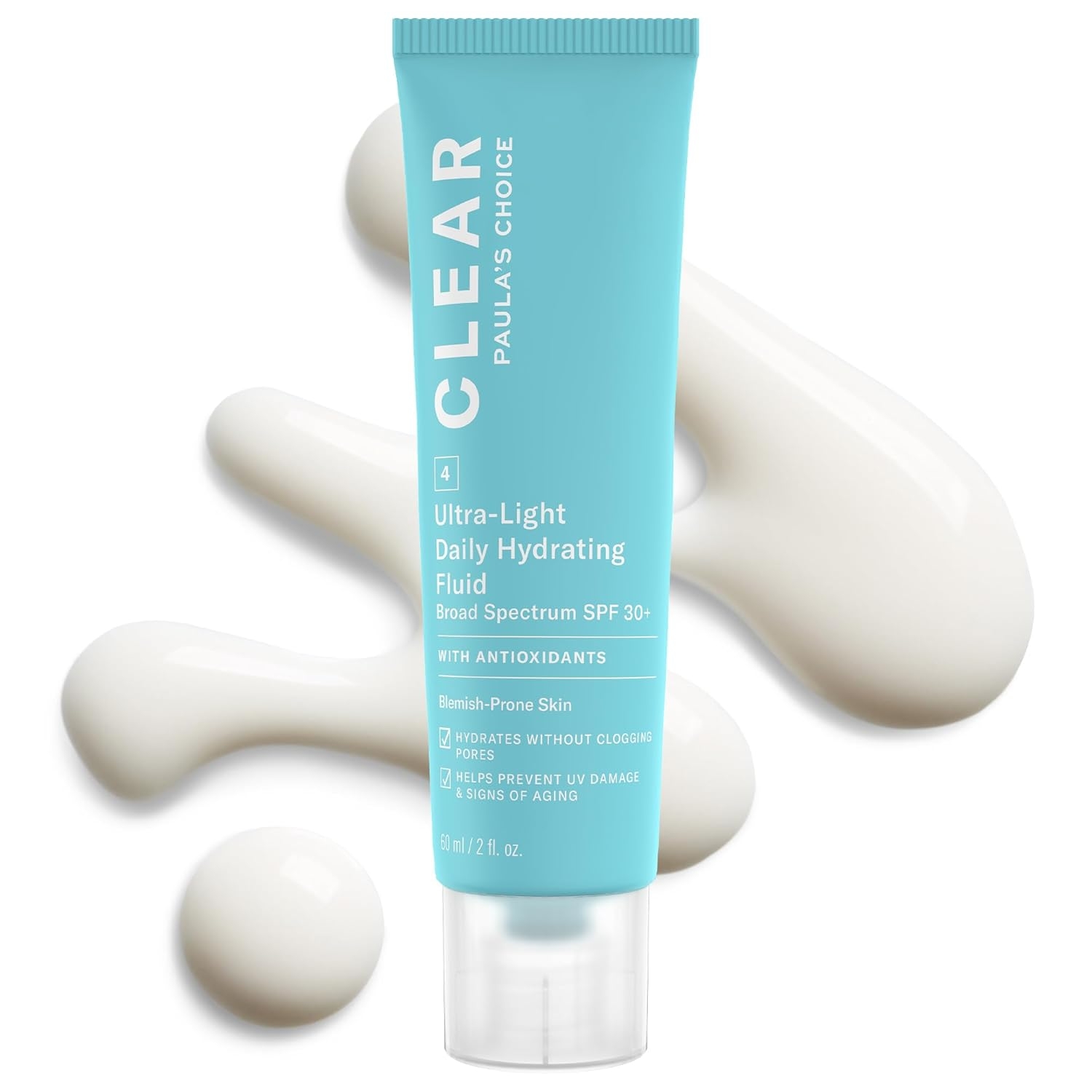
Paula's Choice CLEAR Ultra-Light Hydrating Oil Free Face Sunscreen & Moisturizer, SPF 30 Sunscreen for Face with Green Tea & Chamomile, Pore Minimizer for Blemish- Prone Skin, UVA/UVB Protection, 2oz
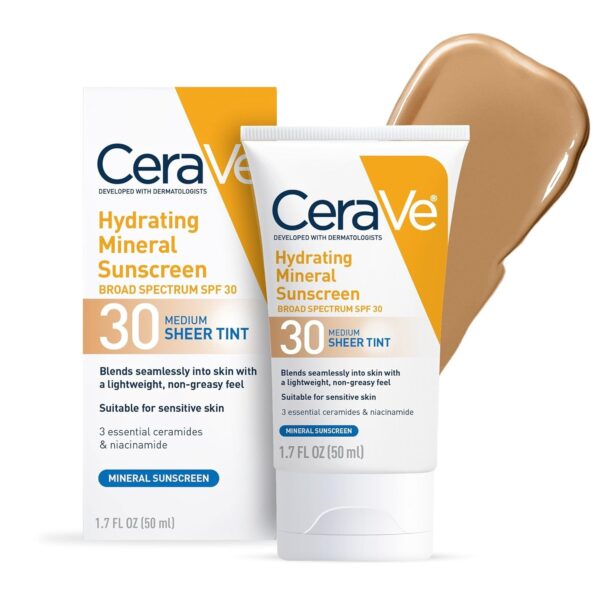
CeraVe Hydrating Mineral Sunscreen SPF 30 — The Budget Hero That Dermatologists Actually Recommend
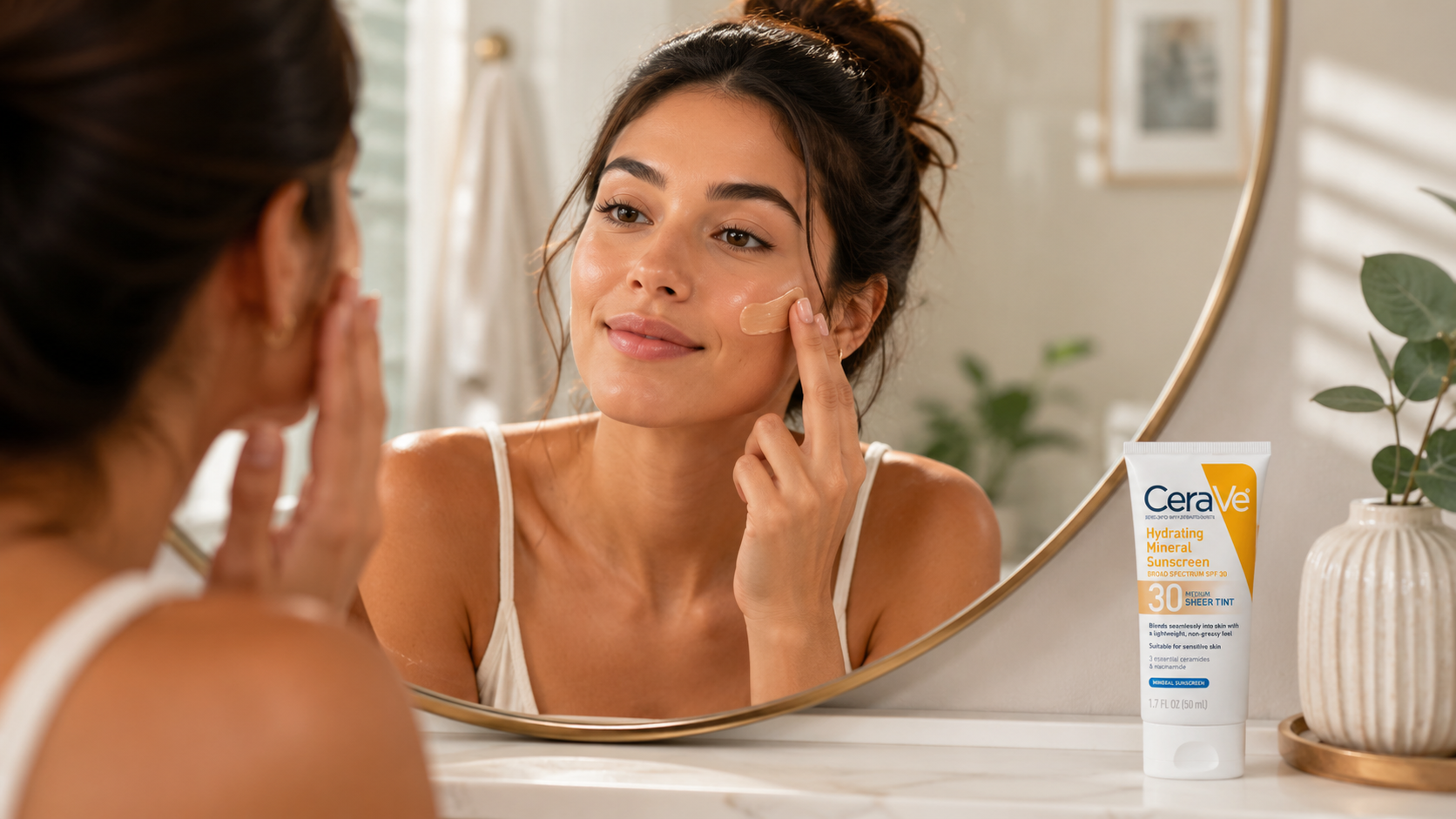
CeraVe has built its entire reputation on one idea: great skincare shouldn't cost a fortune. The Hydrating Mineral Sunscreen SPF 30 is proof of that philosophy in action. Developed with dermatologists, it delivers 100% mineral broad-spectrum protection through zinc oxide and titanium dioxide — with zero oxybenzone, zero avobenzone, and zero harsh chemical filters that can irritate acne-sensitive skin. But the real story is what's underneath the SPF. Three essential ceramides (1, 3, and 6-II) work continuously to repair and reinforce a skin barrier that's often left raw and vulnerable by acne treatments. Niacinamide calms redness and works to even out skin tone, while hyaluronic acid quietly pulls moisture into the skin throughout the day — all without congesting a single pore. Available in a gorgeous sheer-tint version across three flexible shades, it delivers a natural, healthy glow that makes it wearable on its own or as a primer base. Allergy-tested, fragrance-free, paraben-free, and non-comedogenic, this is the rare sunscreen that over-delivers at every price point.
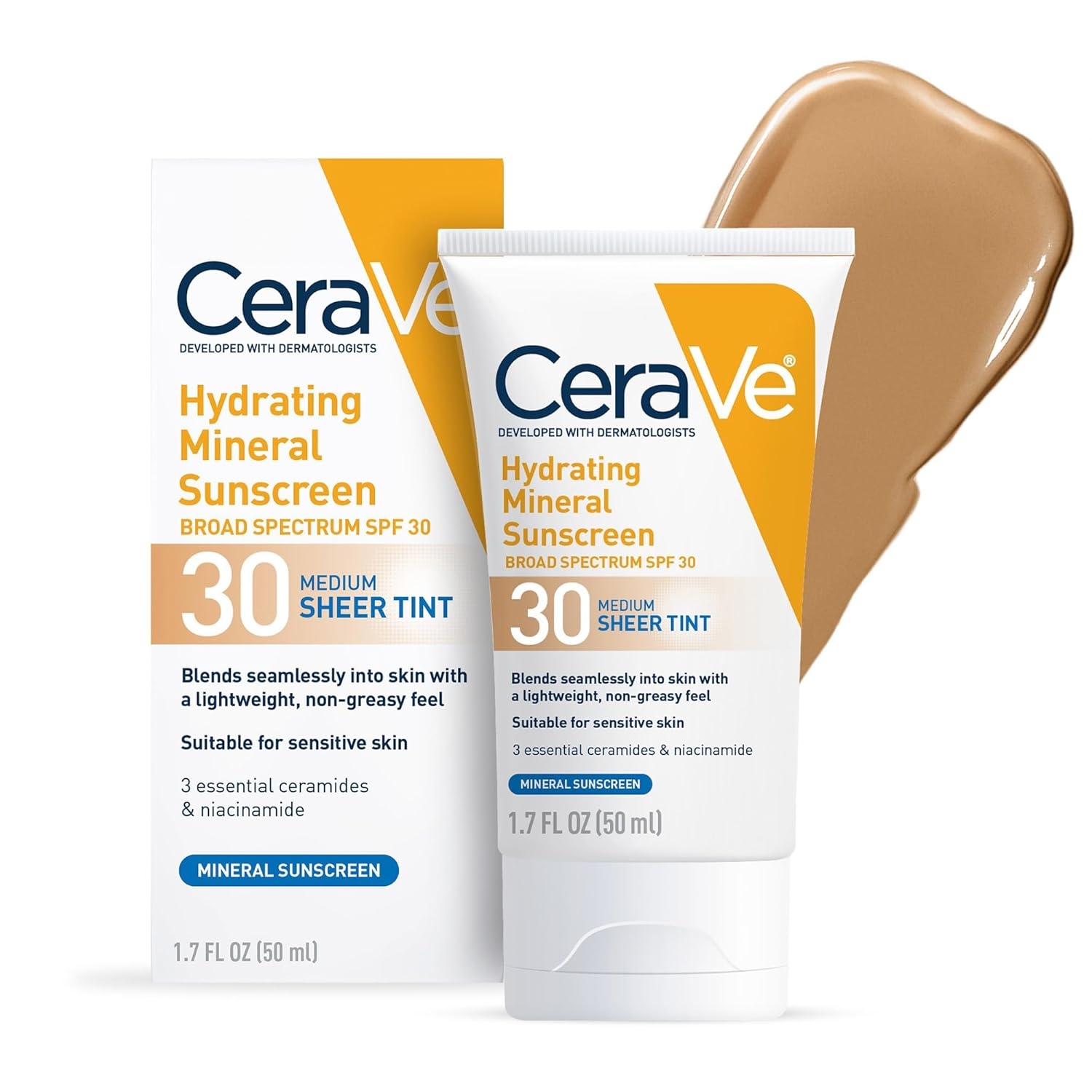
CeraVe Hydrating Mineral Sunscreen SPF 30 with Sheer Tint, Tinted Mineral Sunscreen with Zinc Oxide & Titanium Dioxide, Blends Seamlessly For Healthy Glow, Medium, 1.7 Fluid Ounce
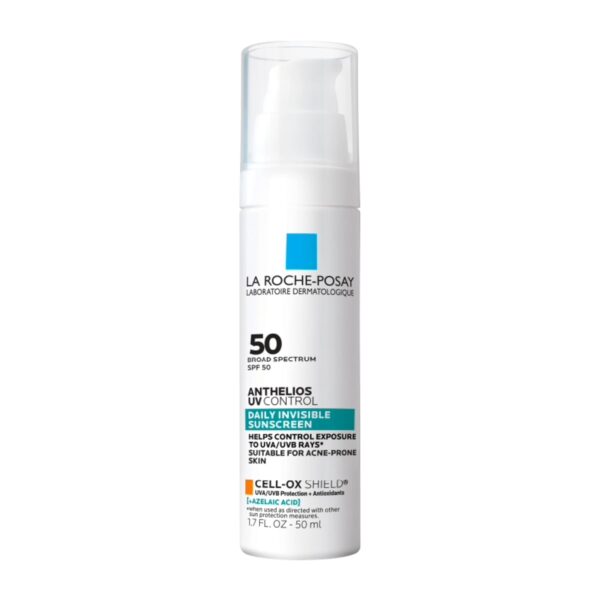
La Roche-Posay Anthelios UV Control SPF 50 — The Skin-Calming SPF That Fights Back
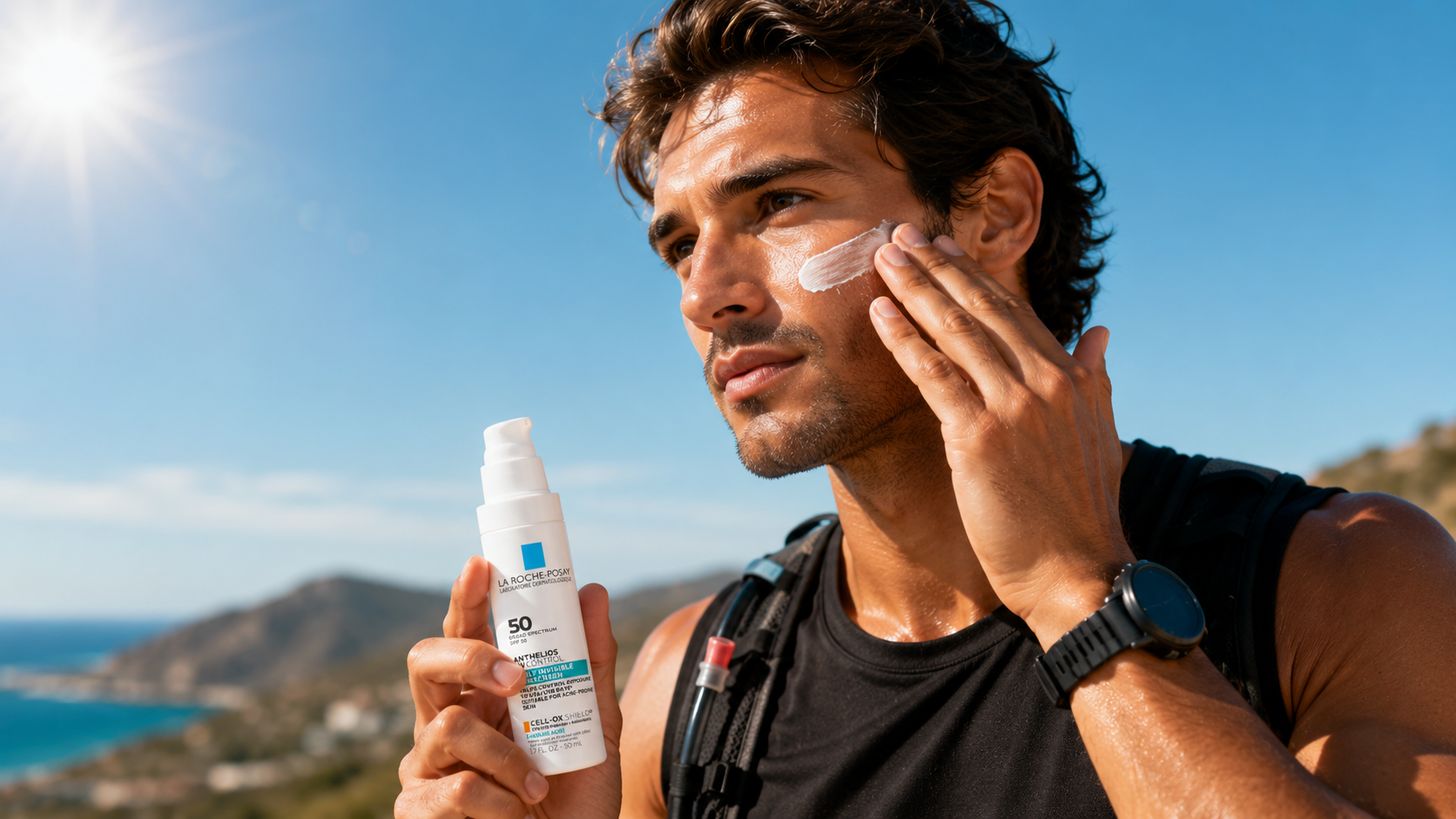
La Roche-Posay has long been the quiet favourite of dermatologists for reactive and sensitive skin — and the Anthelios UV Control SPF 50 is their most targeted innovation yet for acne and rosacea-prone complexions. What truly sets this formula apart is its inclusion of azelaic acid, a clinically proven multitasker that reduces redness, battles the acne-causing bacteria P. acnes, and gently dissolves post-acne pigmentation over time — all within a daily sunscreen you're already applying. Layered on top of that is La Roche-Posay's signature Cell-Ox Shield Technology, which combines broad-spectrum UVA/UVB filters with a powerful antioxidant complex to protect skin from environmental damage at the cellular level. The texture is invisible on skin — no white cast, no greasiness, no heaviness — just a lightweight veil of protection that blends seamlessly into all skin tones and wears comfortably under or without makeup. Oxybenzone-free, octinoxate-free, oil-free, and non-comedogenic, this is an SPF that actively improves your skin every single day you use it.
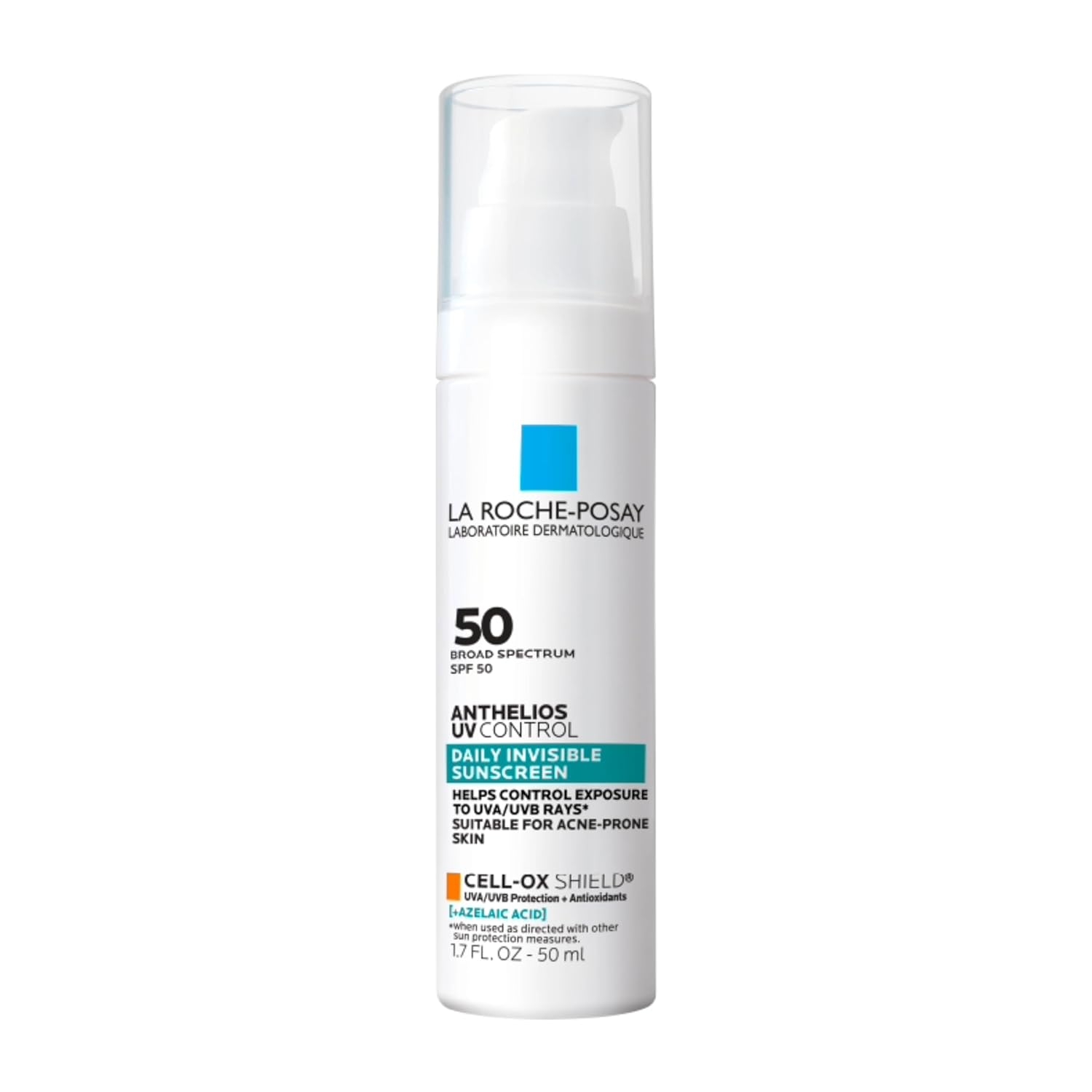
La Roche Posay Anthelios UV Sunscreen SPF 50, Daily Sunscreen for Face in 3 Formulas, UV Tone with Niacinamide, UV Hydra with Hyaluronic Acid, UV Clear with Azelaic Acid, Broad Spectrum Invisible SPF
Meet your guide

By Arjun Mehta
Passionate about technology, digital culture, and modern lifestyle trends, Arjun Mehta brings a fresh perspective to every article he writes. With a strong interest in emerging tech, social media innovation, and consumer-focused content, Arjun specializes in creating informative and engaging blogs that simplify complex topics for everyday readers. Over the years, Arjun has contributed content across a wide range of categories including AI tools, creator economy trends, digital marketing, productivity, gadgets, fashion, and online business solutions. His writing style focuses on clarity, practical insights, and real-world relevance, making his articles both accessible and valuable to readers. At the core of Arjun’s work is a commitment to helping audiences stay updated in a rapidly evolving digital world. Whether he’s reviewing the latest tools, exploring industry trends, or sharing actionable tips, his goal is to create content that informs, inspires, and adds genuine value. When he’s not writing, Arjun enjoys exploring new technology platforms, analyzing social media trends, and discovering innovative products shaping the future of digital experiences. More from this author →
Further Reading
Clear Skin Isn't a Mystery — You Just Need the Right Ingredients: The Ultimate Acne Treatment Guide
Acne is one of the most common skin conditions in the world, yet it remains deeply misunderstood by many people who struggle with it daily.
The Best Cleansers for Acne Treatment: What Actually Works for Clearer Skin
Acne is one of the most frustrating skin concerns because it rarely comes from just one cause. Excess oil production, clogged pores, bacteria, dead skin
The Lazy Girl's Guide to Clear Skin: Minimal Steps, Maximum Results
Let’s get one thing straight: you do not need a 10-step skincare routine to have clear, healthy, glowing skin. In fact, dermatologists often point out
Acne Treatments: What Actually Works for Clear, Healthy Skin
Acne is one of the most common skin conditions in the world, affecting millions of teenagers and adults alike — yet it remains one of
Best Acne Treatments for Teens — What Actually Works for Young Skin
Clear, healthy skin starts with understanding what your skin truly needs—and choosing products that work with it, not against it. Acne can appear in many